What Causes Solar Lights to Stay On During the Day?

Time:2026-07-05 Author:Liam
0%

In the world of solar energy, the performance of solar lights can be puzzling. One common concern is "what causes solar lights to stay on during the day?" This issue has been addressed by Dr. Emily Thompson, a solar energy expert. She stated, "Understanding the functionality of solar lights is key to maximizing their benefits."

Many users expect these lights to only operate at night. However, some might find them illuminated during daylight hours. This could be due to several factors, including faulty sensors or issues with battery charging. Inconsistent sunlight can also affect their performance.

Solar lights have become a popular choice for outdoor illumination. Yet, it is crucial to understand their mechanics. A well-functioning solar light charges during the day and turns on at night. If they stay on during daylight, a potential problem may exist. This could indicate a malfunction or improper installation. Addressing these issues helps ensure that solar lights perform optimally and contribute to energy conservation.
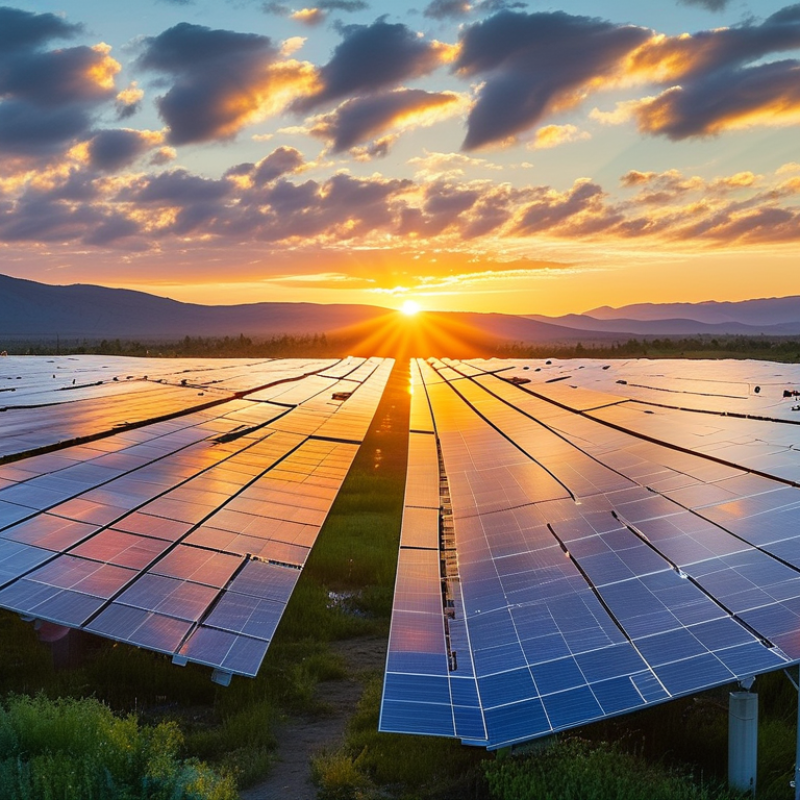
What Causes Solar Lights to Stay On During the Day?

Understanding Solar Lights and Their Functionality

Solar lights operate based on a simple yet effective mechanism. They harness sunlight to charge an internal battery during the day. This stored energy powers the light as it gets dark. However, improper functionality may cause these lights to remain on even when the sun is shining. This occurs due to issues such as faulty sensors or battery malfunction. Understanding these components is essential for troubleshooting.

Tips: Regularly clean the solar panels to maximize sunlight absorption. Dirt or debris can significantly reduce efficiency, leading to unexpected outcomes like daytime illumination. Additionally, check the sensors for proper alignment. Misalignment can lead to malfunctioning, keeping your lights on longer than intended.

One common misconception is that all solar lights are created equal. They vary in quality, materials, and performance. Understanding this helps set realistic expectations. Investing in higher-quality options may prevent frequent issues. Always read reviews and seek recommendations from reliable sources. Remember, the functionality of solar lights can often reflect the care taken in their selection and maintenance.

What Causes Solar Lights to Stay On During the Day? - Understanding Solar Lights and Their Functionality

Cause Description Impact
Faulty Solar Panel If the solar panel is damaged or covered, it won't collect enough sunlight. Leads to reduced lighting performance and excessive daytime operation.
Sensor Malfunction If the light sensor is malfunctioning, it may not detect daylight properly. Results in lights remaining on during the day.
Overcharging Excessive charging of the battery can lead to unexpected behavior. May cause lights to stay on even when there is daytime.
Environment Obstructions Nearby structures or foliage can block sunlight from reaching the panel. Results in continuous light operation due to insufficient charging.
Improper Installation Incorrect mounting angle can reduce sunlight exposure to the panel. May lead to lights activating during the day.

The Role of Solar Panels in Charging During Daylight

Solar lights are designed to absorb sunlight through their solar panels during the day. This process converts sunlight into electrical energy, storing it in rechargeable batteries. However, sometimes these lights may remain on during daylight hours.

The solar panels play a crucial role in this phenomenon. If the panels are obstructed by dirt or debris, they may not capture enough sunlight. As a result, the battery does not charge efficiently. Inadequate charging can lead to unexpected light activation. Dust, leaves, or grime can easily block sunlight from reaching the panels.

Tips for maintaining solar lights can help ensure proper functioning. Regularly clean the solar panels with a damp cloth. This simple step removes dirt and maximizes sunlight absorption. Another tip is to check for any physical obstructions around the lights. Keep plants trimmed and ensure nothing blocks the panels.

Sometimes, solar lights may have faulty sensors. These sensors can mistakenly detect light levels. If this happens, the light may remain on during the day. It’s useful to review the manufacturer’s instructions for troubleshooting this issue. It may require adjustment or replacement. Regular maintenance and awareness of these factors contribute to the longevity and efficiency of your solar lights.

What Causes Solar Lights to Stay On During the Day?

This chart illustrates the battery charge levels of solar lights throughout the day. As the sun rises, solar panels begin charging the battery, reaching a peak around noon. The charge decreases in the afternoon and evening, leading to minimal stored power at night when the lights are typically illuminated.

Common Reasons for Malfunctioning Solar Lights

Solar lights are a wonderful addition to outdoor spaces. However, they can sometimes malfunction. One common reason for solar lights staying on during the day is a faulty light sensor. These sensors are designed to detect darkness. If they break or malfunction, the lights may not turn off. A simple check can reveal if the sensor is covered in dirt or debris. Cleaning it can sometimes solve the problem.

Another issue could be incorrect placement. If these lights are not positioned properly, they might receive reflected sunlight. This causes them to remain on longer than intended. Placing solar lights too close to bright surfaces can create a similar effect. Ensuring an appropriate location is essential for optimal performance.

A third reason might be battery problems. If the battery is worn out, it can lead to erratic behavior. For instance, the lights may charge incorrectly throughout the day. Occasionally, replacing the battery can restore expected functionality. Addressing these common issues is key for maintaining solar lights effectively.

Impact of Weather Conditions on Solar Light Performance

Weather conditions significantly impact the performance of solar lights. Factors like cloud cover, rain, and snow can reduce sunlight absorption. For instance, prolonged cloudy days can decrease solar panel efficiency by up to 80%. Research indicates that during winter months, solar lights may struggle to fully recharge. This leads to unexpected nighttime illumination or inadequate brightness.


Apart from cloudiness, temperature also plays a vital role. Solar batteries tend to perform poorly in extreme cold, leading to shortened lifespans and reduced energy output. A study by the National Renewable Energy Laboratory shows that battery efficiency can drop by 20% at freezing temperatures. On the flip side, excessive heat can lead to battery degradation, causing similar performance issues.


Unexpected weather patterns often force users to rethink solar lighting solutions. Considering local climate variations can help in selecting appropriate solar products. For instance, locations with high rainfall may require more robust lighting systems. These insights highlight the importance of understanding environmental influences on solar technology performance.

Tips for Troubleshooting and Maintaining Solar Lights

Solar lights are a sustainable option for outdoor illumination. However, many users experience the issue of solar lights remaining on during the day. This phenomenon often arises from faulty sensors or inadequate maintenance. Understanding these factors can help restore optimal performance.

Regular maintenance is critical in troubleshooting solar lights. Keep solar panels clean. Dirt or debris can obstruct sunlight, leading to malfunctioning sensors. As noted by the Solar Energy Industries Association, a clean surface can enhance light absorption by up to 30%. Additionally, check connections for corrosion or damage. Improved connections can reduce energy loss and ensure lights function properly.

Another common tip is to reposition the solar lights. They need direct sunlight for optimal performance. If lights are shaded by trees or structures, consider relocating them. This simple adjustment can significantly enhance their efficiency. Lastly, replace batteries when they show signs of weakness. Regularly reviewing battery health contributes to overall longevity and effectiveness, keeping your lights glowing at night as intended.

FAQS

: Why do solar lights sometimes stay on during the day?

: A faulty light sensor is a common cause. It may not detect light properly.

How can dirt affect solar panel performance?

Dirt and debris can block sunlight. This prevents proper charging of the battery.

What maintenance is needed for solar lights?

Regularly clean the solar panels with a damp cloth. This maximizes sunlight absorption.

How should I check the placement of my solar lights?

Ensure they are not near reflective surfaces. Proper positioning is essential for performance.

What happens when the battery is worn out?

Worn batteries can lead to erratic behavior. Lights may charge incorrectly and stay on.

How can I troubleshoot a light sensor issue?

Check for dirt covering the sensor. Cleaning may resolve the problem.

What should I do if my solar lights don’t seem to work?

Review the manufacturer’s instructions. Adjustments or replacements may be necessary.

Why is it important to trim surrounding plants?

Overgrown plants can obstruct the solar panels. This limits sunlight exposure and efficiency.

Is it enough to just clean the solar panels occasionally?

Regular cleaning is important, but don’t forget to check for other obstructions too.

Can solar lights be affected by bad weather?

Yes, extreme weather can limit sun exposure. It’s something to keep in mind for charging issues.

Conclusion

Solar lights are designed to harness sunlight through their solar panels, charging their batteries for nighttime use. However, a common issue homeowners face is understanding what causes solar lights to stay on during the day. This can occur due to various factors, including faulty sensors that fail to detect daylight or internal malfunctions within the lighting system.

Additionally, weather conditions such as excessive cloud cover or dust on the solar panels can hinder their ability to charge effectively. To ensure optimal performance, regular maintenance and troubleshooting are essential. This may involve cleaning the solar panels, checking the batteries, or replacing components when necessary. By understanding these factors, users can better maintain their solar lights and avoid operational issues during daylight hours.

Liam

Liam

Liam is a dedicated marketing professional with a profound expertise in the industry, where he excels at highlighting the unique advantages of our core products. With a keen understanding of market trends and consumer needs, Liam frequently updates our company’s professional blog, providing......