When considering solar garden lights, a common question arises: how many hours of sunlight do solar garden lights need to charge? Understanding this is crucial for maximizing their efficiency and performance. Solar lights operate by converting sunlight into energy. This energy stores in batteries for nighttime use. The charging time directly affects the brightness and duration of the light.
Most solar garden lights require about 6 to 8 hours of direct sunlight for optimal charging. However, this can vary based on several factors. Shade, cloud cover, and seasonal changes all impact how much sunlight the panels receive. If lights are inadequately charged, they may emit lower brightness. This might lead to frustration when expectations do not align with performance. It's essential to assess the location of your solar lights. Areas with more sun exposure yield better results.
Keep in mind that while solar technology is a sustainable choice, it is not flawless. Battery life and lifespan can diminish over time. Regular maintenance can help address these issues. Understanding how many hours of sunlight do solar garden lights need to charge can enhance your outdoor experience, making your garden more inviting and efficient.
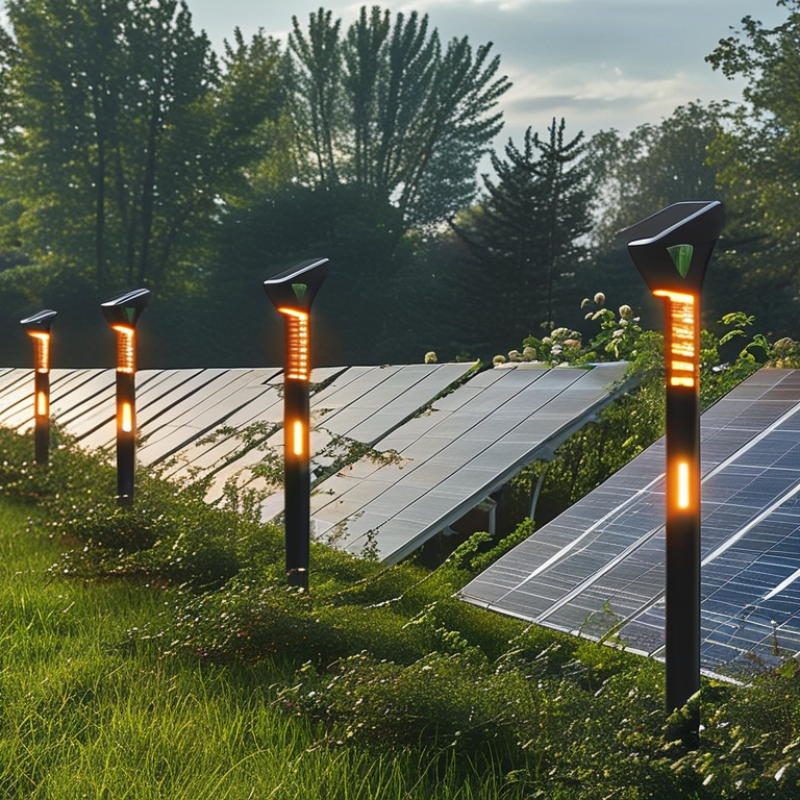
Understanding the Charging Mechanism of Solar Garden Lights
Solar garden lights harness energy from sunlight through photovoltaic cells. These cells convert light into electricity. This electrical energy charges the internal battery of the light. Typically, solar lights require about six to eight hours of direct sunlight to achieve a full charge. On cloudy days, they may still absorb some energy, but performance could vary.
The charging efficiency depends on several factors. The angle of sunlight, for instance, plays a crucial role. If the lights are positioned in shaded areas, they might not charge adequately. Additionally, the type of solar panel can influence how well the lights accumulate energy. Some panels are more effective than others, leading to discrepancies in performance.
Understanding the charging mechanism is essential for optimizing use. It's not just about leaving lights out in the sun. Adjusting the placement can make a noticeable difference. Regular maintenance, like cleaning the solar panels, also impacts efficiency. Neglecting these details can lead to disappointing brightness at night.
Optimal Sunlight Exposure for Effective Charging
When it comes to solar garden lights, optimal sunlight exposure is key to effective charging. Generally, these lights need around six to eight hours of direct sunlight daily. This can vary depending on the region and time of year. For instance, areas with long summer days provide better charging conditions. Conversely, shorter winter days can limit charging effectiveness.
Positioning your solar lights is important, too. Placing them in shady spots will significantly reduce their efficiency. Pay attention to trees and buildings that cast shadows. Sometimes, despite good intentions, lights are not placed optimally. A rethink may be necessary after noticing dimming in brightness. Regularly check their sun exposure, and don’t hesitate to move them as needed.
Solar lights can seem to lose their charge capacity over time, often due to insufficient sunlight. If your lights aren’t functioning well, consider their environment and exposure duration. Regular maintenance and proper placement are essential. Ensuring they receive adequate sunlight can lead to brighter nights and longer-lasting performance.
Factors Influencing Charging Time of Solar Lights
When discussing solar garden lights, several factors influence their charging time. One of the primary aspects is the intensity of sunlight. According to a study by the National Renewable Energy Laboratory, solar panels perform best with direct sunlight, ideally 6 to 8 hours of exposure. In shaded areas, the charging efficiency can drop significantly, sometimes needing double the time to gather sufficient energy.
The geographical location also plays a crucial role. For instance, regions closer to the equator receive more sunlight year-round compared to those further away. Seasonal variations further complicate the picture, as shorter daylight hours in winter can affect charging time. It’s essential to position solar lights in locations with maximum sun exposure. Factors like dirt on the solar panel can reduce efficiency too. Regular cleaning can enhance performance, allowing your lights to charge effectively.
Tips: Ensure that your solar garden lights are not sheltered by trees or buildings. A clear view of the sky is vital. Consider investing in models with higher wattage; they typically absorb more energy during the day.
Common Misconceptions About Solar Light Charging Needs
When it comes to solar garden lights, many people assume that they only need direct sunlight to charge effectively. This is a common misconception. In reality, solar lights can absorb indirect sunlight, which is beneficial during cloudy days. A report from the Solar Energy Industries Association (SEIA) indicates that even on overcast days, solar panels can generate up to 25% of their full capacity. This means that your solar garden lights might still perform better than expected.
Another frequent myth is that solar lights need a full eight hours of direct sunlight daily to function. In truth, many models can charge sufficiently in four to six hours of exposure. According to industry research, the efficiency of solar lights increases with higher-quality solar cells. Thus, investing in durable solar technology can significantly enhance the charging capability.
Moreover, factors like geographical location and seasonality play vital roles in energy absorption. For example, areas closer to the equator receive more consistent sunlight year-round. These elements should inspire a re-evaluation of solar light use in different environments. It highlights the importance of understanding your lighting system's capabilities in various conditions.
Maximizing Performance: Best Practices for Solar Garden Lights
Solar garden lights can be a great addition to any outdoor space. To function optimally, they require direct sunlight for charging. Ideally, six to eight hours of sunlight each day is sufficient for most models. However, this can vary based on the light’s battery capacity and its overall design.
Gardens with trees or tall structures may experience shadowing, reducing sunlight exposure. It’s essential to consider the positioning of your solar lights.
To maximize performance, clean the solar panels regularly. Dust, leaves, and debris can block sunlight, diminishing charging efficiency. Choosing the right location is vital. Place lights in areas with maximum sun exposure, ideally facing south, to capture more light.
This simple move can enhance charging and extend the lights’ operational hours. Moreover, consider seasonal changes. In winter, sunlight's angle decreases, so adjusting light placement may be necessary. It's also helpful to routinely check the batteries for wear or performance issues.
Consider the color and style of the solar lights as well. Some lights perform better in different weather conditions. A well-planned setup can truly bring your garden to life.
Taking the time to reflect on these practices can lead to even better results.
FAQS
: Charging time depends on sunlight intensity, geographical location, and seasonal variations.
Ideally, six to eight hours of direct sunlight is needed for optimal charging.
Yes, shaded areas can significantly reduce efficiency and may double the charging time.
Dirt can block sunlight, reducing charging efficiency. Regular cleaning is essential.
Position them in areas with maximum sun exposure and avoid shadows from trees or buildings.
Adjusting the placement may be necessary due to the lower angle of sunlight.
Regularly check batteries for performance issues and clean panels to enhance efficiency.
No, some lights are designed to work better in certain weather conditions or locations.
Position lights facing south to capture more sunlight during the day.
Yes, models with higher wattage typically gather more energy throughout the day.
Conclusion
Solar garden lights rely on photovoltaic cells to convert sunlight into energy, which is essential for their operation. Understanding the charging mechanism is crucial for maximizing their performance. Typically, the question arises: how many hours of sunlight do solar garden lights need to charge? Ideally, these lights require about 6 to 8 hours of direct sunlight to achieve optimal functionality. However, several factors can influence the charging time, including the light’s location, seasonal variations, and the angle of sunlight.
Additionally, there are common misconceptions regarding the charging needs of solar lights, such as the belief that they can charge effectively under indirect light or in overcast conditions. To maximize performance, it is important to install solar lights in areas with ample direct sunlight and to regularly clean the solar panels to remove debris. By understanding these aspects, users can ensure their solar garden lights operate efficiently throughout the year.

