7 Best Reasons Why Outdoor Solar Lights Turn Off Too Early?

Time:2026-09-13 Author:Oliver
0%

Outdoor solar lights often seem dependable until they switch off before midnight. This problem raises a practical question: why do outdoor solar lights turn off automatically too early? The answer usually involves several small failures working together. A shaded panel may collect weak sunlight. Dust can cover its surface. Short winter days reduce charging time. A tired battery may also store far less energy than expected. Even a bright lamp can fail early when its battery capacity no longer matches its power demand.

Dr. Steven Strong, a respected solar-energy consultant and author, offers a useful principle: “A solar light can only use the energy its panel collects and its battery stores.” That point sounds simple, but many installations overlook it. I have seen lights placed beneath dense branches, where afternoon shadows reached the panel first. I have also found corrosion around battery contacts after rainy months. These details matter. Motion sensors, decorative brightness settings, cold temperatures, and faulty control boards can shorten nighttime operation further. Some product ratings also assume ideal sunlight, not a cloudy garden or a north-facing wall.

This guide examines seven common reasons for early shutoff. It considers panel placement, weather, battery aging, wiring, sensor settings, light output, and product quality. The diagnosis is not always obvious. Sometimes, the “fault” is realistic winter performance rather than a damaged light. Checking each factor carefully can prevent unnecessary replacement and reveal whether a simple cleaning, repositioning, or battery change will restore reliable illumination.
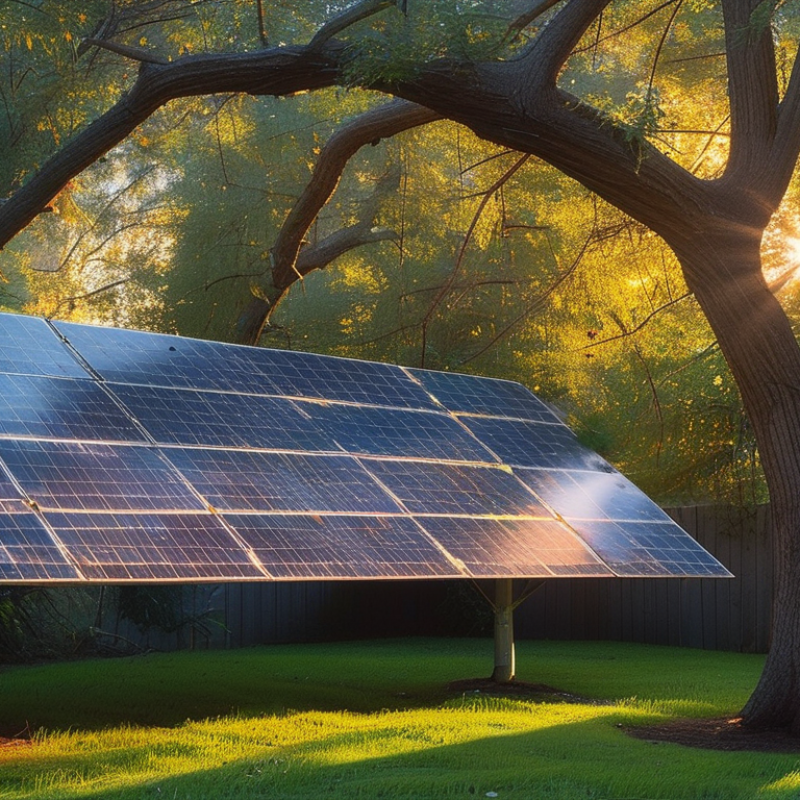
7 Best Reasons Why Outdoor Solar Lights Turn Off Too Early?

How Outdoor Solar Lights Work and Why Their Runtime Matters

7 Best Reasons Why Outdoor Solar Lights Turn Off Too Early?

How Outdoor Solar Lights Work and Why Their Runtime Matters

An outdoor solar light converts sunlight into stored electrical energy. Its panel charges a rechargeable battery during daylight hours. After sunset, a light sensor activates the LED and controller. Runtime depends on battery capacity, charging time, LED power, and weather conditions. A bright evening does not guarantee a full charge.

Seven common problems shorten runtime. Shade from walls, trees, or roof edges reduces solar input. Dust, pollen, and bird marks can block the panel surface. A poor panel angle may also miss strong midday sunlight. Winter brings shorter days and weaker sunlight. Heavy rain creates another charging challenge. Sometimes the light is simply installed too close to another lamp, confusing its sensor.

Battery age matters greatly. Rechargeable batteries lose capacity after repeated cycles, especially in heat or freezing temperatures. A weak battery may show full brightness, then fade after two hours. In practical checks, cleaning the panel and moving the fixture into open sunlight often improves performance. Still, I have seen people blame the battery too quickly. The controller or sensor may be misreading darkness. Check the switch, wiring, and moisture around the housing. Compare runtime after a clear, sunny day. Record the result. Small observations can reveal whether the problem is charging, storage, or excessive LED demand.


7 Best Reasons Why Outdoor Solar Lights Turn Off Too Early

Outdoor solar lights store energy during daylight and use it after dark. The chart shows representative overnight runtime under common real-world conditions; actual performance varies with panel size, battery capacity, sunlight, temperature, and light settings.

Runtime is longest after a full day of direct sunlight. Shade, cloud cover, dust, battery aging, cold temperatures, and frequent motion activation reduce the energy available for nighttime operation.

Seven Common Reasons Outdoor Solar Lights Turn Off Too Early

Outdoor solar lights can switch off too early for seven common reasons. The panel may receive weak sunlight because of trees, walls, roof overhangs, or winter shadows. Dust, bird marks, and pollen also reduce charging. Cloudy weather creates another problem. A small panel stores limited energy after several dark days.

The battery may be old, cold, poorly connected, or incorrectly installed. Most rechargeable cells lose useful capacity over time. Cold nights can reduce temporary performance. A high-brightness setting drains stored energy faster, especially when motion sensing keeps the lamp active.

The U.S. Department of Energy reports that LEDs use at least 75% less energy than incandescent lamps, but low energy use does not remove storage limits. The lamp still needs enough sunlight.

The seventh reason is a faulty sensor, switch, seal, or cable. Moisture inside the housing can create intermittent operation. NREL’s PVWatts documentation uses a 14% default system-loss assumption, showing why real conditions rarely match ideal output. Small solar lights can suffer even larger practical losses from shading and dirt.

Check the panel at midday, clean it gently, and test the light after a full sunny day. A quick diagnosis can mislead. Battery replacement may help, but repeated early shutoff often points to poor placement or water damage. WHO outdoor-lighting guidance also supports regular inspection, especially where dust and weather exposure are severe.

How to Check Batteries, Panels, Sensors, and Light Settings

Outdoor solar lights often turn off early for simple, testable reasons. Start here: check the battery. An old rechargeable cell may show voltage, yet lose power quickly after sunset. Remove it only when the fixture is off. Inspect for swelling, corrosion, or leakage. Replace it with the correct chemistry and size. Never mix new and old cells. I have missed this check myself.

Clean the panel with a soft, damp cloth, then inspect its position at noon. Leaves, dust, snow, or nearby walls can reduce charging. Shade still matters. Compare its sunlight with a fully exposed location. A cloudy week may explain poor runtime, but repeated early shutdown suggests another fault. Check loose wires and water inside the housing. These small details are easy to overlook.

Test the light sensor by covering it briefly at dusk. Nearby lamps, reflective windows, or motion settings can confuse the control circuit. Adjust brightness, timer, and operating mode before blaming the battery. High brightness uses stored energy faster. Some models shut down in extreme cold. Record sunset time, weather, switch position, and shutdown time for three nights. My first inspection was too quick, and that small log revealed the pattern.

Step-by-Step Solutions to Extend Solar Light Operating Time

7 Best Reasons Why Outdoor Solar Lights Turn Off Too Early?

Step-by-Step Solutions to Extend Solar Light Operating Time

Short operating time usually begins with weak charging, not a failed lamp. Wipe the solar panel with a damp cloth and remove dust, pollen, and bird marks. Check its position during several daylight hours. Nearby walls, branches, or balcony rails may cast shadows across the panel. Move the light into direct sunlight, then allow one full day for testing.

Inspect the power switch and light sensor carefully. Some units have a small switch beneath the cover, where dirt can prevent a firm connection. Cover the panel with your hand after sunset. The lamp should activate within a few seconds. If it remains dim, recharge or replace the internal rechargeable battery with the correct type. Do not use ordinary disposable batteries. Cold nights can also reduce battery output, so test the light after warmer weather.

Heavy rain may leave moisture around the battery compartment. Open the cover only in dry conditions and check for corrosion, loose wires, or a damaged seal. Dry the compartment completely before closing it. Bright nearby lighting can confuse the sensor and make the lamp shut off early. Turn off competing lights during your test. I once blamed the battery, but a security light was the real cause. If the lamp still fails after two sunny days, its battery or charging circuit may need professional inspection.

When to Repair, Replace, or Reposition Your Outdoor Solar Lights

When to Repair, Replace, or Reposition Your Outdoor Solar Lights

Outdoor solar lights often turn off early because their panels receive weak sunlight. The U.S. Department of Energy advises placing solar panels away from shade and regularly cleaning their surfaces. Six hours of direct sunlight may produce a brighter evening than ten hours under a tree. Reposition the light if leaves, fences, or winter shadows block the panel.

Check the battery before replacing the entire fixture. A swollen case, rusted contact, or cracked wire needs prompt replacement. Otherwise, clean the contacts and test the light after a full sunny day. NREL’s photovoltaic degradation research reports a median module decline near 0.5% annually, but small consumer panels may degrade faster. That figure is only a benchmark. Dirt matters more than many owners expect.

Repair is sensible when the panel, housing, and switch remain sound. Replace the rechargeable battery when runtime stays short after proper charging. Replace the whole light when water enters the circuit or the panel output seems permanently weak. I once blamed a failing battery, but a nearby shrub caused most of the problem. That mistake was avoidable. Record sunset time, weather, and runtime for three nights before deciding. Test carefully.

7 Best Reasons Why Outdoor Solar Lights Turn Off Too Early? — When to Repair, Replace, or Reposition Your Outdoor Solar Lights

No. Likely Reason Typical Signs Useful Check or Measurement Recommended Action Best First Choice
1 Insufficient direct sunlight The light works normally after a bright day but turns off early after cloudy weather. Nearby walls, fences, trees, or roof overhangs may shade the panel. Observe the panel from morning to late afternoon. Most small solar lights need several hours of unobstructed daylight to achieve a full charge. Move the light to a position with stronger midday and afternoon sun. Trim branches or remove objects that cast shade. Clean the panel after repositioning. Reposition
2 Dirty, cloudy, or damaged solar panel The panel looks dusty, has water spots, yellowing, cracks, or a cloudy plastic cover. Charging performance gradually declines even in sunny weather. Inspect the panel surface and check whether the light runs longer after gentle cleaning with a damp, soft cloth. Clean the panel and keep it dry. If the cover is severely yellowed or cracked, replace the panel, top assembly, or complete light, depending on the design. Repair or replace
3 Aging or undercharged rechargeable battery The light becomes dim quickly, runtime is short even after a sunny day, or the battery shows swelling, corrosion, or leakage. Compare runtime after a full sunny-day charge with the original expected runtime. If safe and accessible, inspect the battery compartment for corrosion or physical damage. Replace the rechargeable battery only with the same chemistry, voltage, and compatible capacity specified by the light. Do not use disposable alkaline batteries in a charging circuit. Replace battery
4 Incorrect operating mode or light sensor interference The light switches on late, turns off unexpectedly, or behaves differently when placed near porch lights, streetlights, or reflective surfaces. Turn off nearby artificial lights and cover the solar panel briefly during daylight to confirm whether the dusk sensor responds correctly. Select the intended brightness or operating mode. Move the light away from artificial light sources and ensure the panel is not shaded by the fixture itself. Reposition or reset
5 Cold weather or extreme temperatures Runtime is noticeably shorter in winter or during freezing conditions, while the same light performs better in moderate temperatures. Compare performance on similar days and note the overnight temperature. Cold reduces battery performance, while excessive heat can accelerate battery aging. Install the light where the battery is protected from severe temperature swings, keep the panel unshaded, and replace a battery that no longer recovers in moderate weather. 6 Moisture, corrosion, or loose electrical connections The light flickers, turns off when moved, shows rust or condensation, or has green/white corrosion around contacts and wires. After switching the unit off, inspect seals, the battery compartment, terminals, and visible wires. Do not handle damaged wiring while the unit is wet. Dry the unit completely, clean minor corrosion, tighten accessible connections, and renew damaged seals. Replace the unit if water has reached the circuit board or wiring is unsafe. 7 LED, circuit board, or internal controller failure The panel and battery appear healthy, but the light remains dim, flickers continuously, or shuts down after warming up. The problem persists after cleaning and charging. Test with a known-good compatible battery when possible. If the light still fails, the LED driver, controller, switch, or circuit board may be defective. Repair only when the failed part is accessible and replacement cost is reasonable. For sealed, corroded, or very low-cost units, replacing the complete light is usually more practical. Safety note: Replace rechargeable batteries with the correct type and voltage. Stop using a light if the battery is swollen, leaking, overheated, or badly corroded.

FAQS

Why do my outdoor solar lights turn off before morning?

Weak sunlight may limit charging. Trees, walls, roof edges, and winter shadows can block the panel. The battery may simply run out.

Can dirt on the solar panel reduce lighting time?

Yes. Dust, pollen, bird marks, leaves, and snow reduce charging. Clean the panel gently with a soft, damp cloth. Small dirt matters.

How can cloudy weather affect solar light performance?

Several cloudy days provide less stored energy. Small panels have limited capacity after dark weather. Test the light after one full sunny day.

How do I know if the rechargeable battery is failing?

An old battery may show voltage but lose power quickly after sunset. Check for swelling, corrosion, or leakage. Replace it with the correct size and chemistry.

Should I change the brightness or operating mode?

High brightness uses stored energy faster. Motion detection can keep the lamp active repeatedly. Try a lower brightness or shorter timer. Settings matter.

How can I test the light sensor?

Cover the sensor briefly at dusk. Nearby lamps, reflective windows, or strong outdoor light may confuse it. Check the switch before replacing parts.

What should I inspect if the light works intermittently?

Look for loose wires, damaged seals, and moisture inside the housing. Water can cause irregular operation. Inspect carefully. I once checked too quickly.

How can I identify the real cause of early shutdown?

Record sunset time, weather, switch position, and shutdown time for three nights. A quick diagnosis can mislead. Repeated early shutdown may indicate poor placement or water damage.

Conclusion

Outdoor solar lights rely on sunlight stored in rechargeable batteries to power LEDs after dark, so their runtime depends on energy collected during the day and how efficiently it is used at night. If you wonder, “why do outdoor solar lights turn off automatically too early,” the most common reasons include weak or aging batteries, insufficient sunlight, dirty or shaded panels, faulty sensors, incorrect light settings, extreme weather, and excessive power demand. Understanding these factors makes troubleshooting easier and helps prevent unnecessary replacement.

Start by cleaning and repositioning the panel, checking whether it receives several hours of direct sunlight, and inspecting the battery, sensor, wiring, and brightness settings. Replacing a worn battery, removing nearby shade, reducing light intensity, or correcting the sensor position can often extend operating time. If the light still shuts off early after these solutions, determine whether repair is practical or whether replacement is more reliable. In some cases, simply repositioning the fixture improves charging performance and restores consistent nighttime illumination.

Oliver

Oliver

Oliver is a seasoned marketing professional with a wealth of expertise in driving brand awareness and engagement. With a deep understanding of our company's product offerings, he consistently delivers high-quality content that enriches our professional blog. His insights not only shed light on......