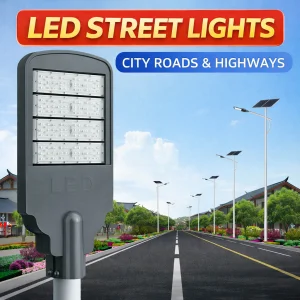
Engineered for durability, optical performance, and extreme outdoor environments.
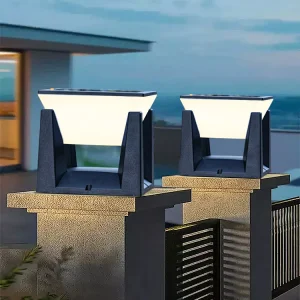
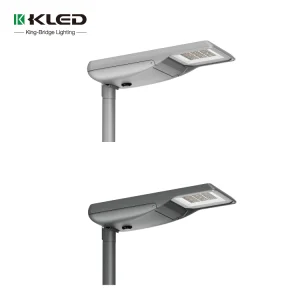
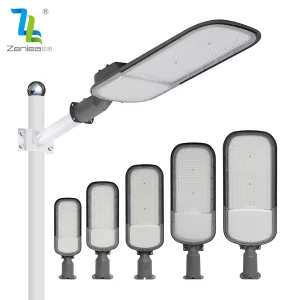
Understanding structural shifts in industrial, municipal, and commercial solar architectural lighting.
The global demand for high-performance solar spotlights and outdoor architectural lighting systems is undergoing an unprecedented technological transition. No longer viewed simply as residential accessories, commercial-grade solar spotlights are key nodes in municipal decarbonization efforts, commercial real estate developments, and smart-city grid systems. The modern solar spotlight is a complex system integrating high-efficiency photovoltaic materials, intelligent battery management systems (BMS), high-output solid-state lighting engines, and smart communication modules.
Technological advancement is currently driven by three primary vectors:
"For modern procurement officers, analyzing a solar spotlight manufacturer requires a deep dive into systematic efficiency. The value of a manufacturer is determined not by raw component capacity, but by their ability to harmonize electrical, thermal, and optical variables into a single, high-durability system."
A premier manufacturer and solutions provider for global smart solar and LED infrastructure projects.
Yangzhou Gtron Solar Co., Ltd. is a professional manufacturer and solution provider specializing in solar lighting systems, LED outdoor lighting, and renewable energy products. Located in the Industrial Zone of Yangzhou City, Jiangsu Province, China, the company has been dedicated to the research, development, production, and export of high-quality lighting products since its establishment.
Over the past 20 years, Gtron Solar has grown into a modern high-tech enterprise equipped with advanced manufacturing facilities and intelligent production systems. Our factory is equipped with large CNC bending machines, high-speed longitudinal shearing machines, automatic submerged arc welding equipment, laser cutting machines, electrostatic powder coating lines, fluorocarbon paint spraying workshops, and various automated testing instruments, ensuring precision manufacturing and consistent product quality.
To meet the growing global demand for sustainable lighting solutions, Gtron Solar has established multiple specialized production lines, including:
As a National High-Tech Enterprise, Gtron Solar possesses strong technical capabilities and comprehensive project experience. The company has obtained ISO 9001 Quality Management System Certification, ISO 14001 Environmental Management System Certification, CE Certification, RoHS Compliance Certification, CCC Certification, and various product testing reports recognized by international markets.
Innovation is at the core of our development strategy. Supported by an experienced R&D team, we continuously develop energy-efficient, intelligent, and environmentally friendly lighting solutions. Our products are widely applied in urban roads, highways, residential communities, industrial parks, commercial areas, airports, ports, and municipal infrastructure projects. Today, Gtron Solar products have been exported to more than 80 countries and regions across Asia, Africa, the Middle East, Europe, South America, and Oceania. We have established long-term partnerships with distributors, contractors, government agencies, and engineering companies worldwide.
How Gtron Solar controls product integrity from raw material to shipping.
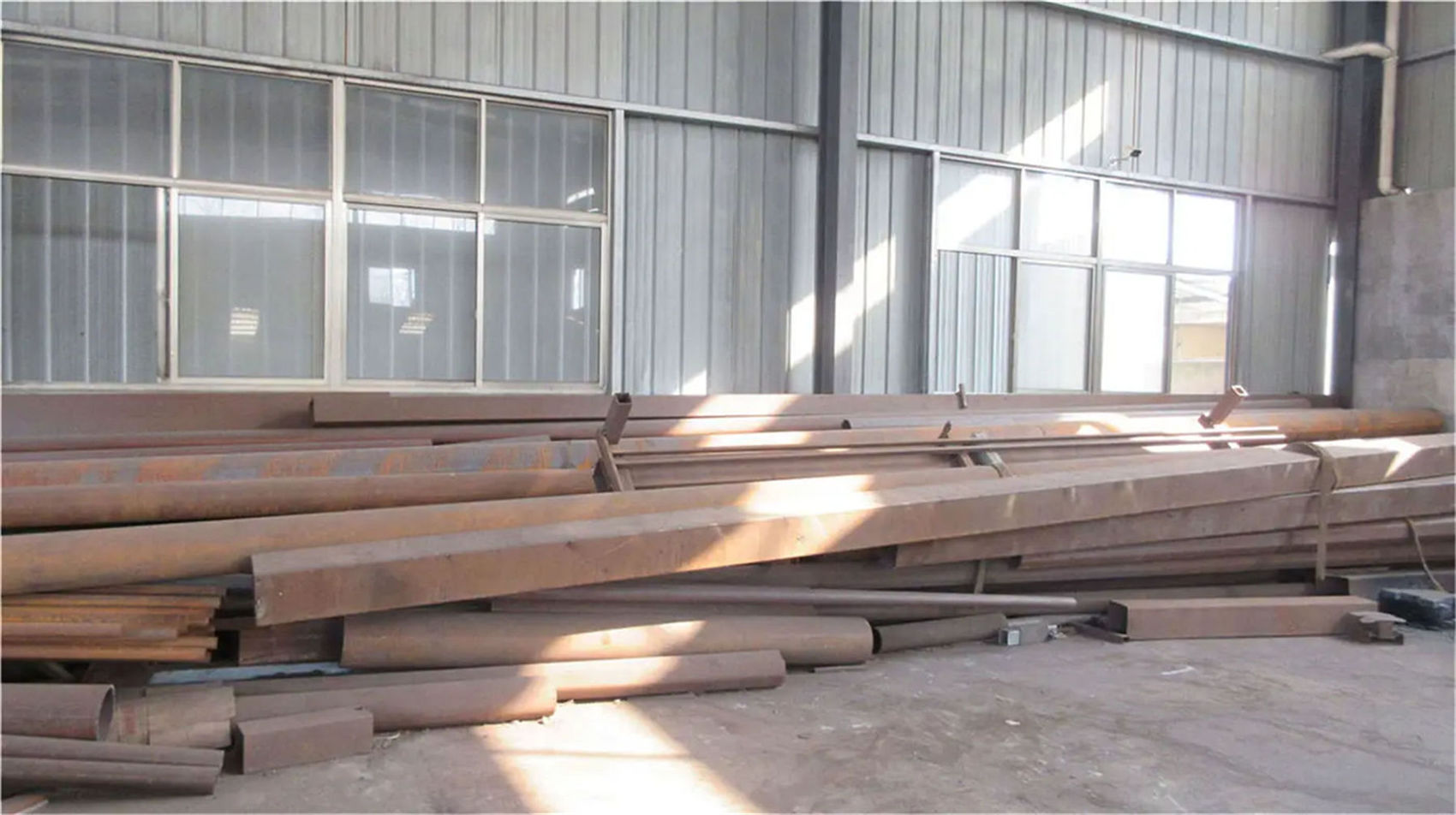
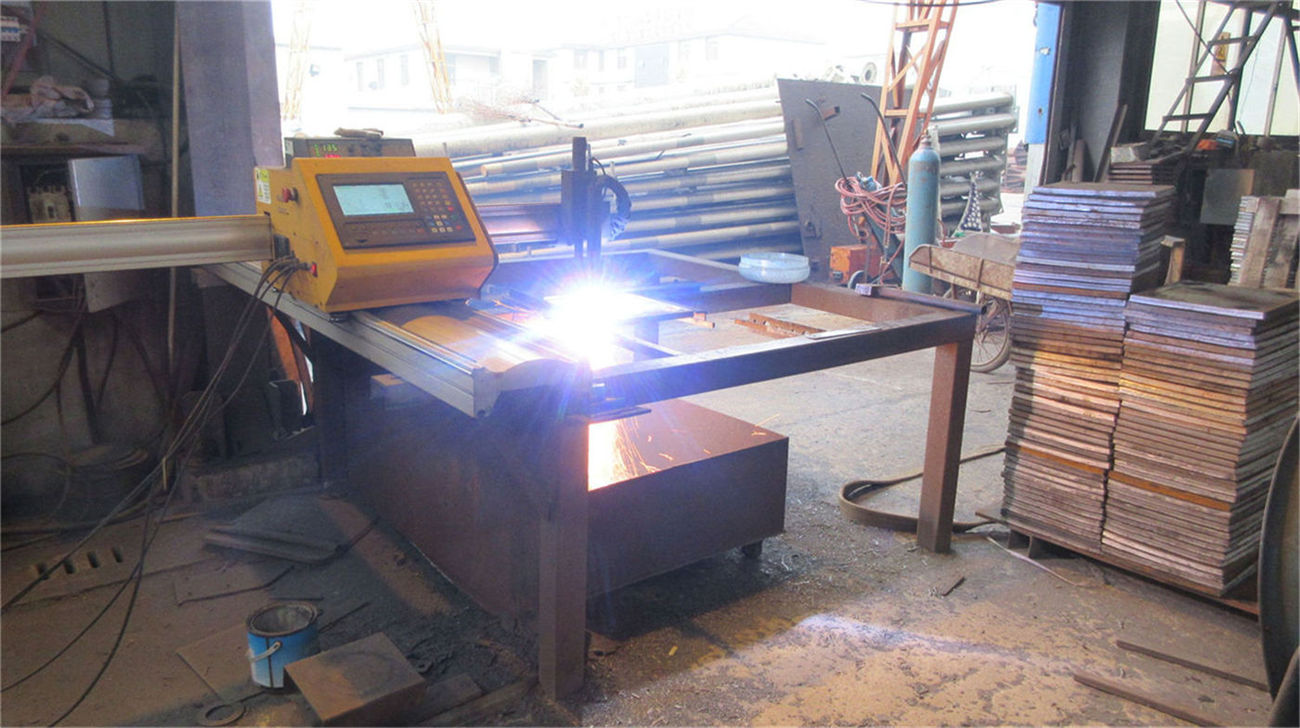
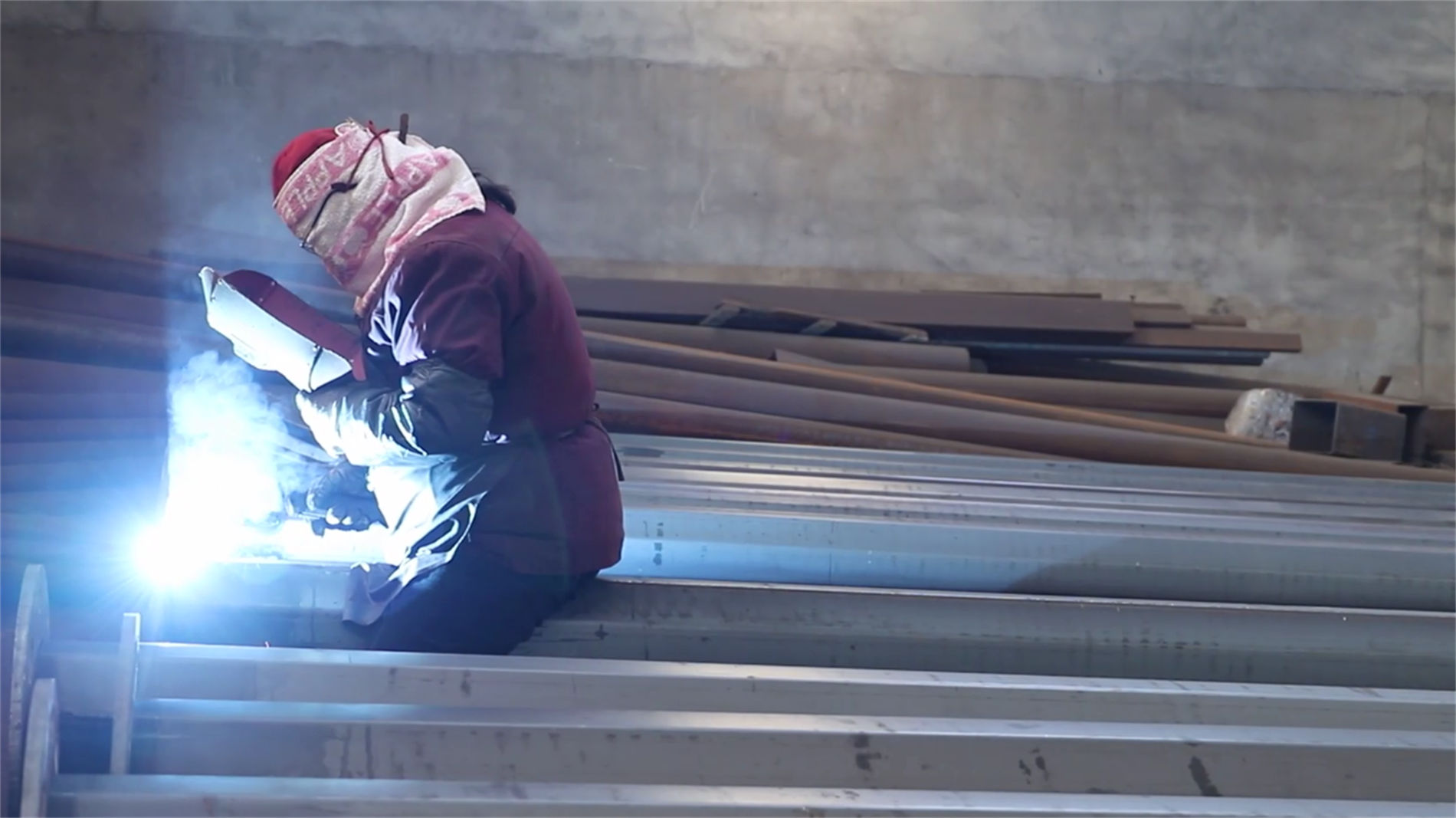
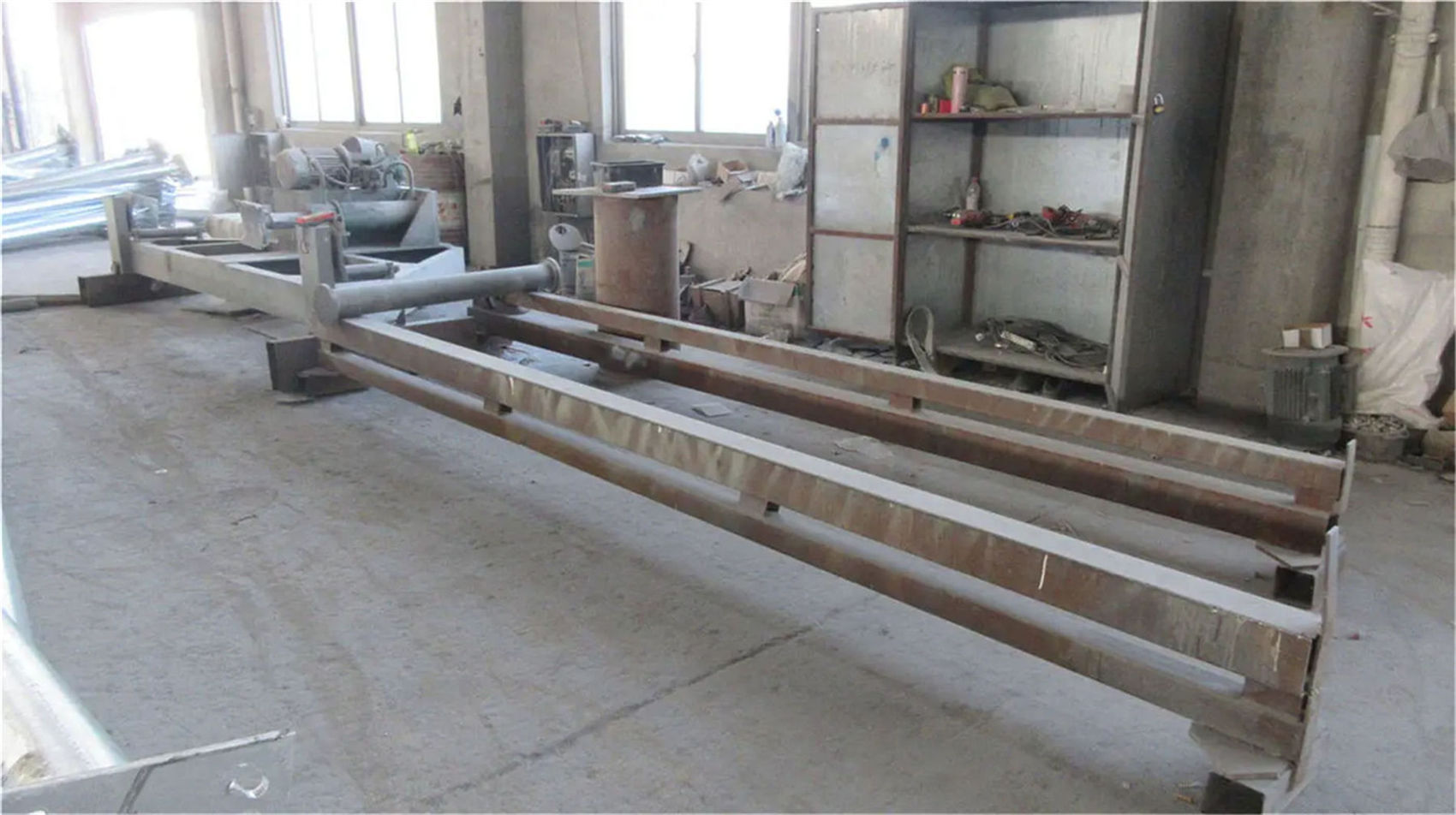
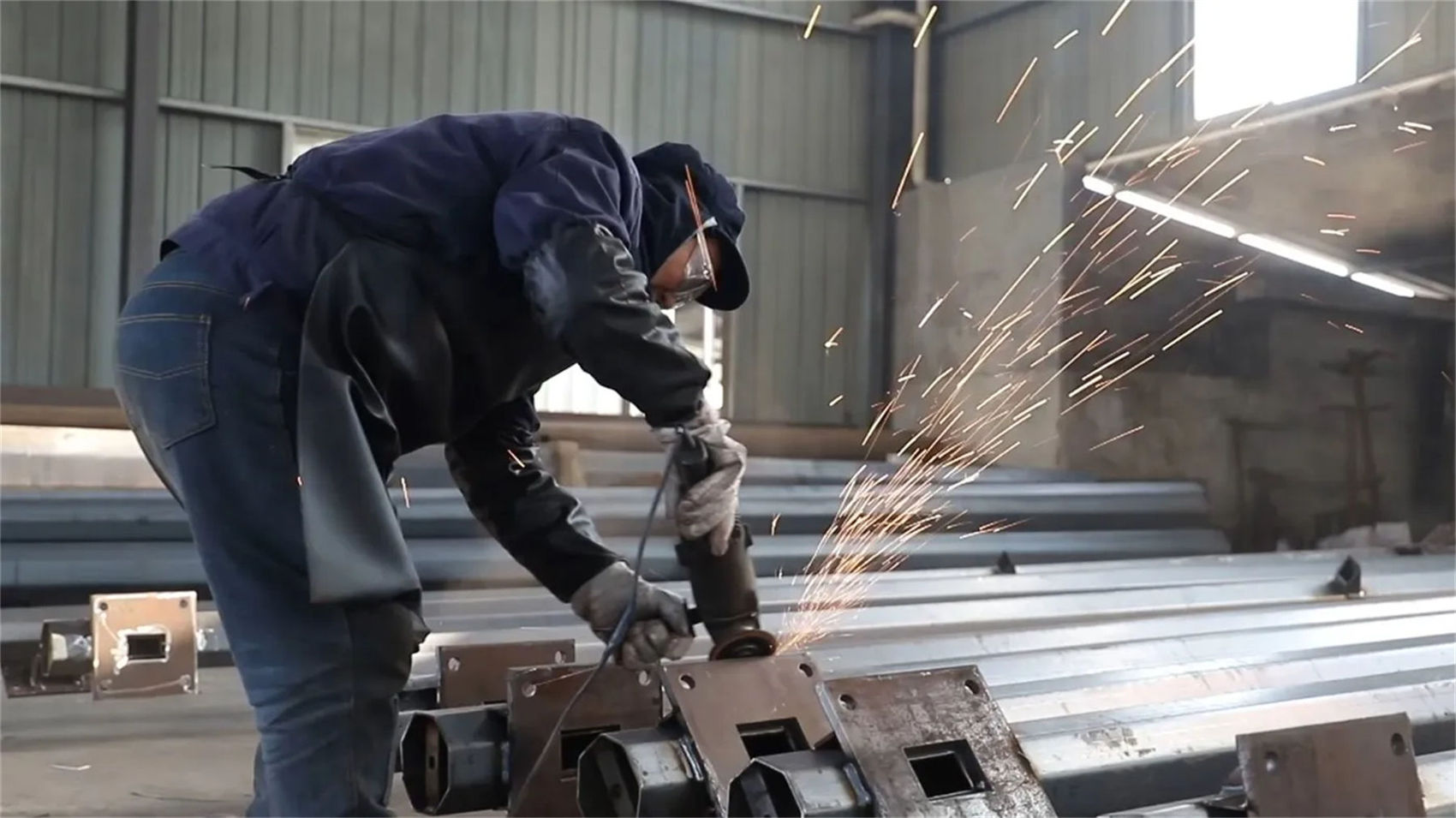
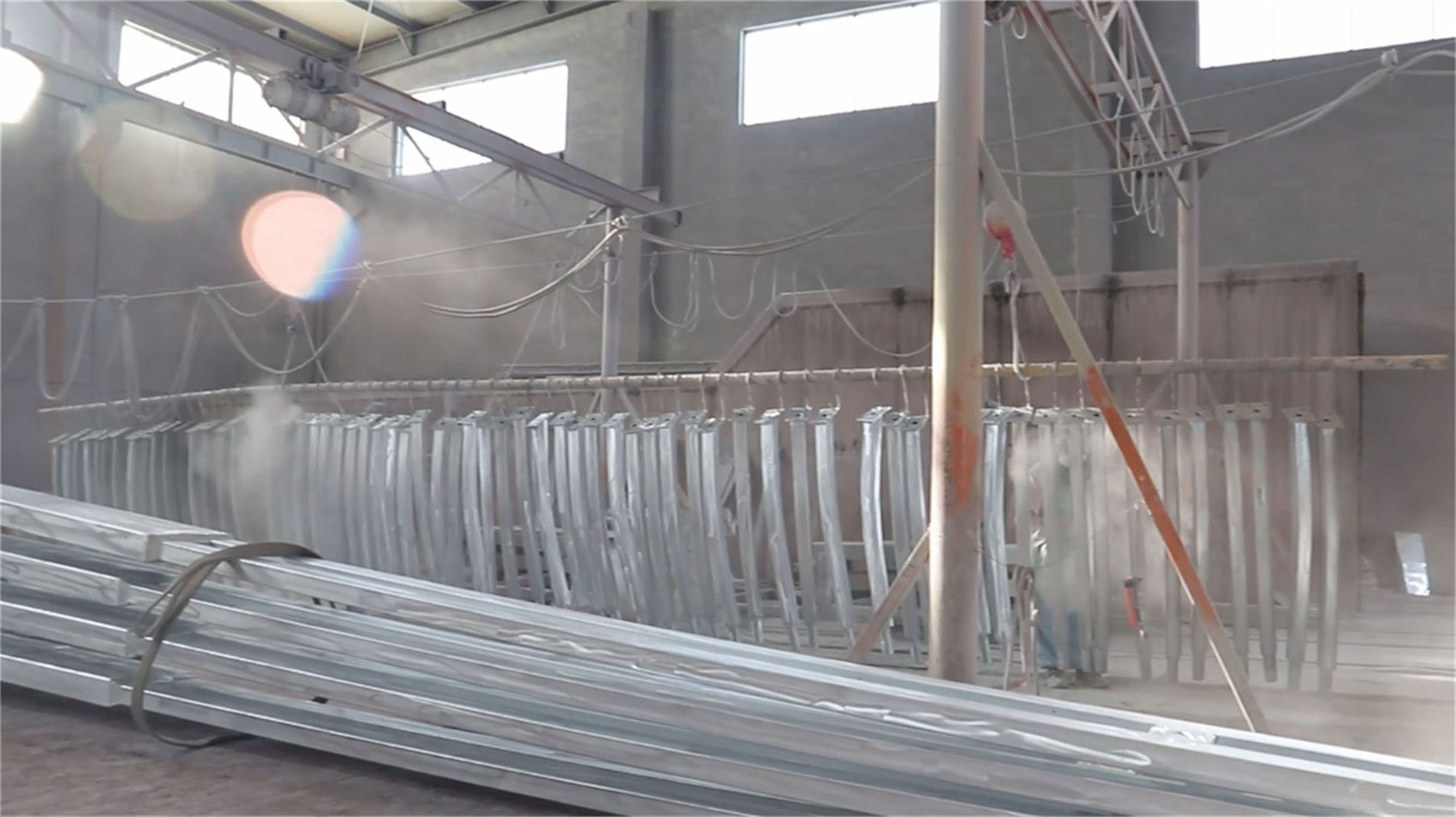
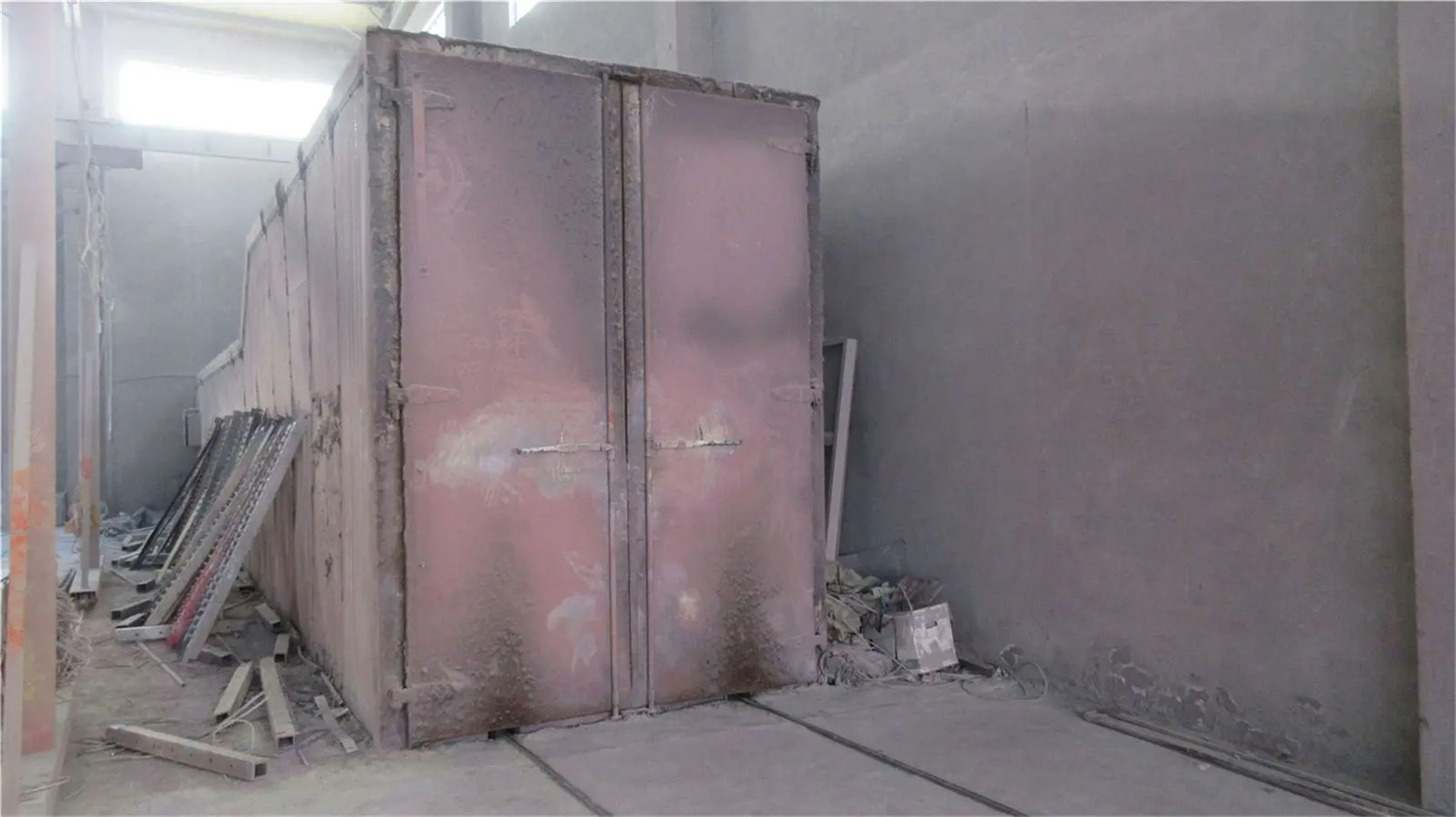
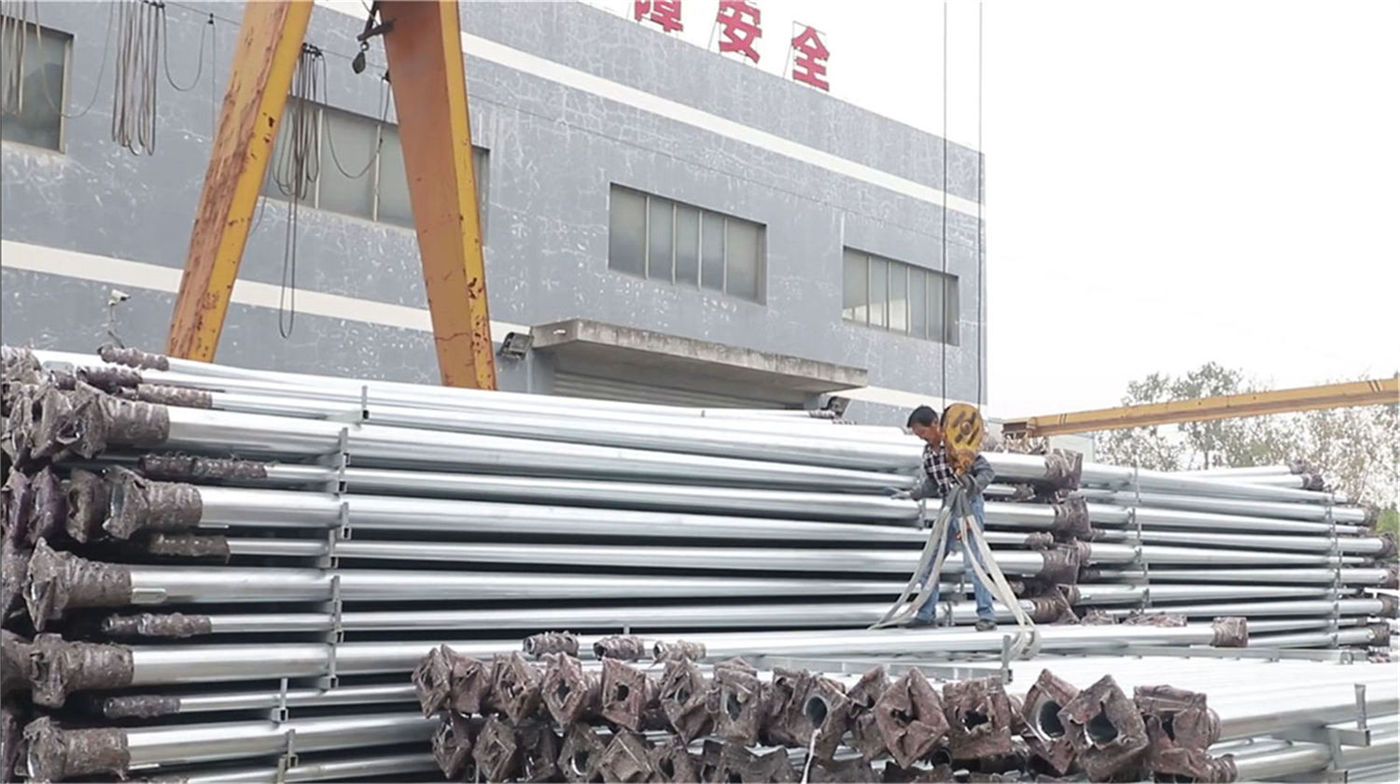
State-of-the-art tooling enabling reliable mass-production and structural integrity.
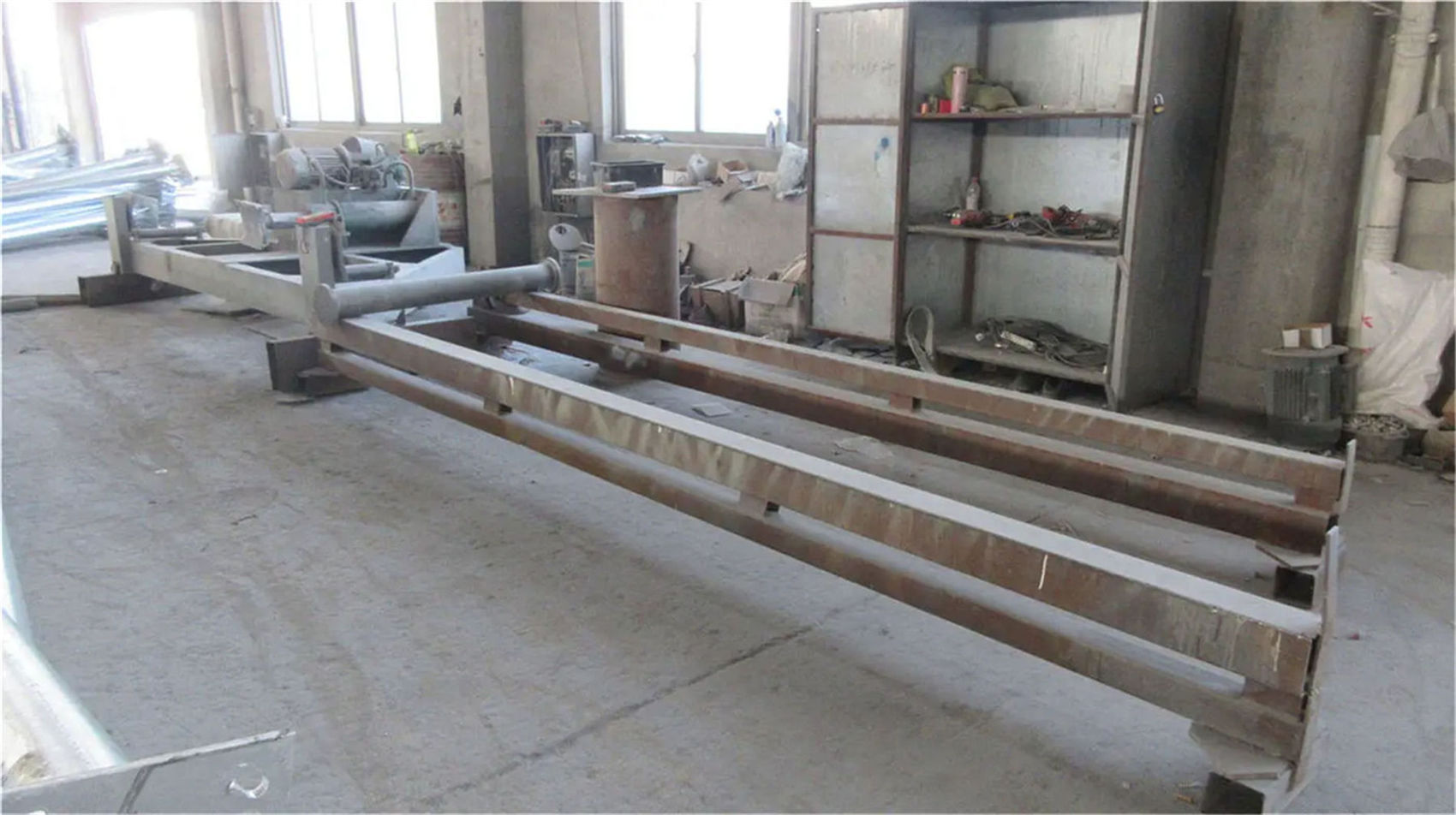
Guarantees axis deviation alignment of steel poles to strict tolerances.
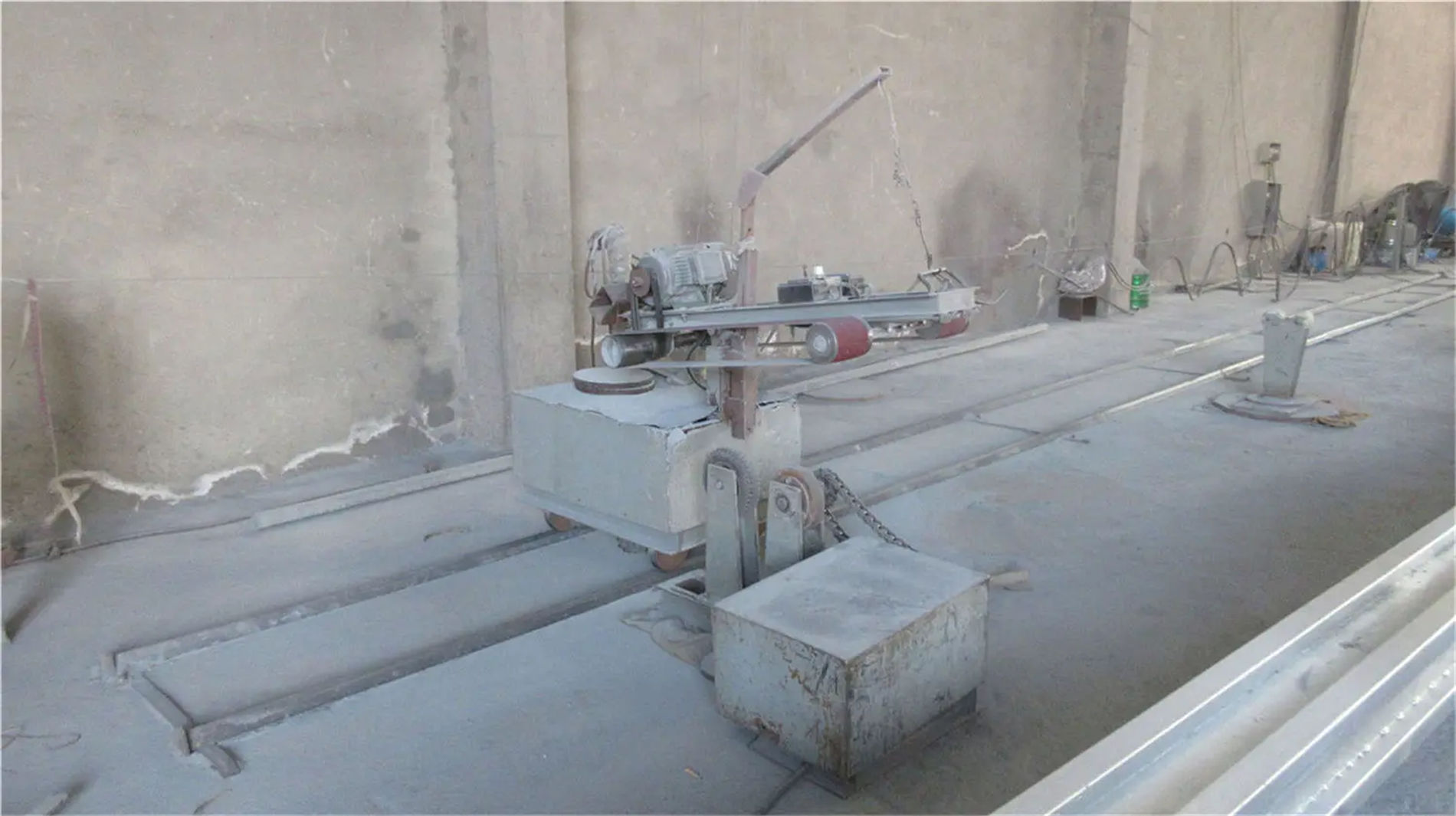
Uniform oxide layer removal to ensure optimal powder-coating adhesion.
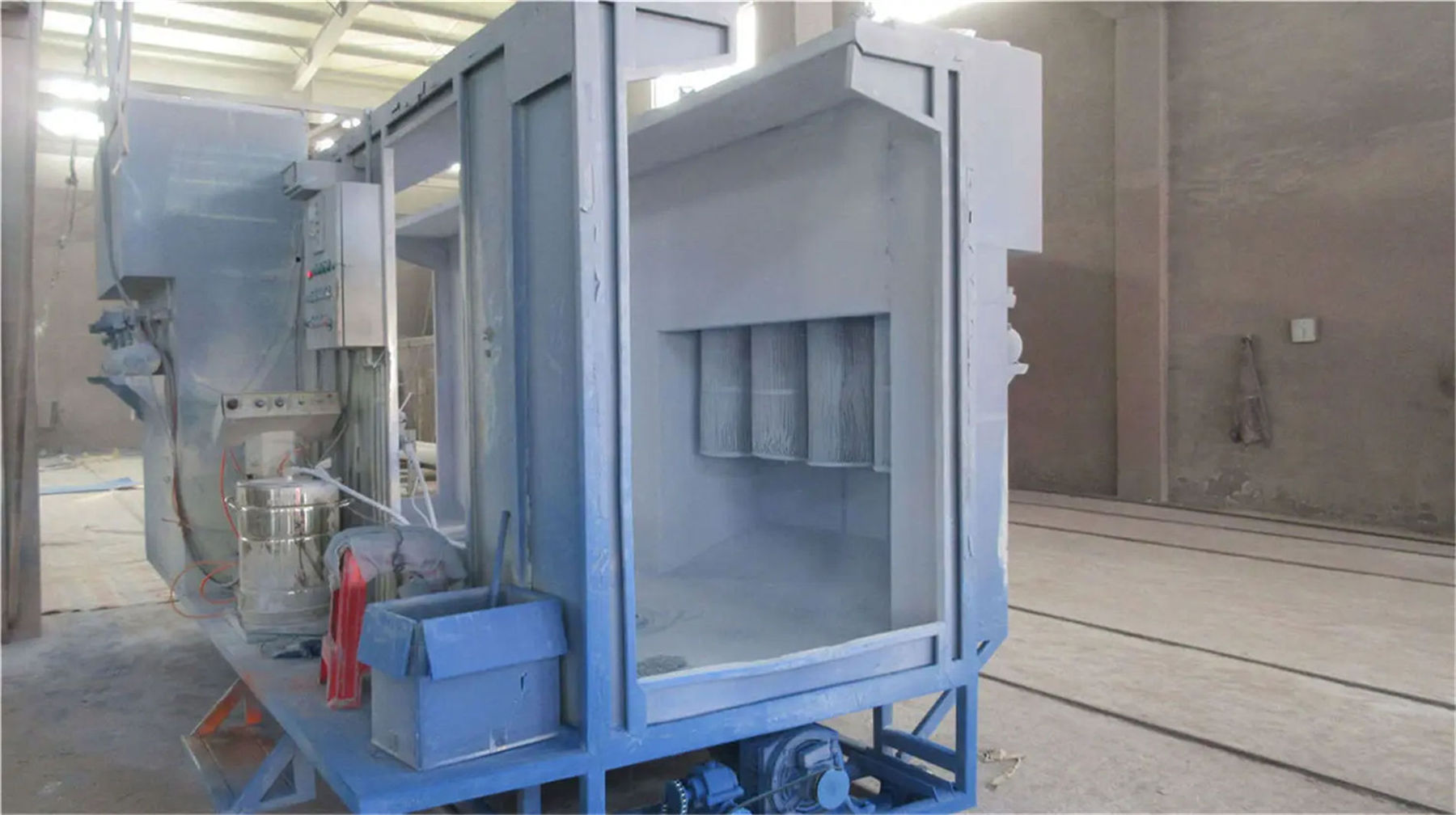
Automated anti-corrosion fluorocarbon layer application.
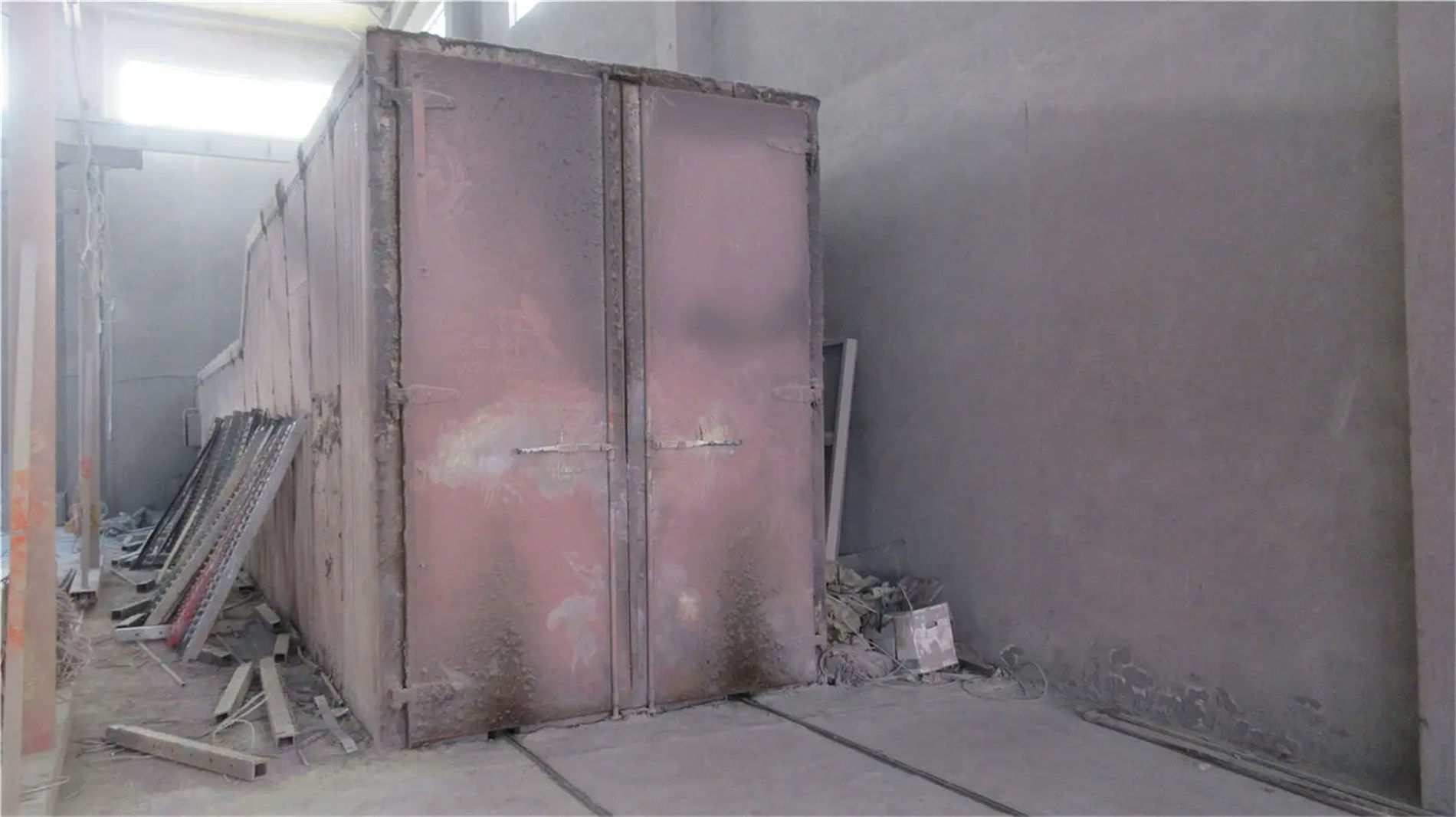
Controlled curing cycles for high adhesion coatings.
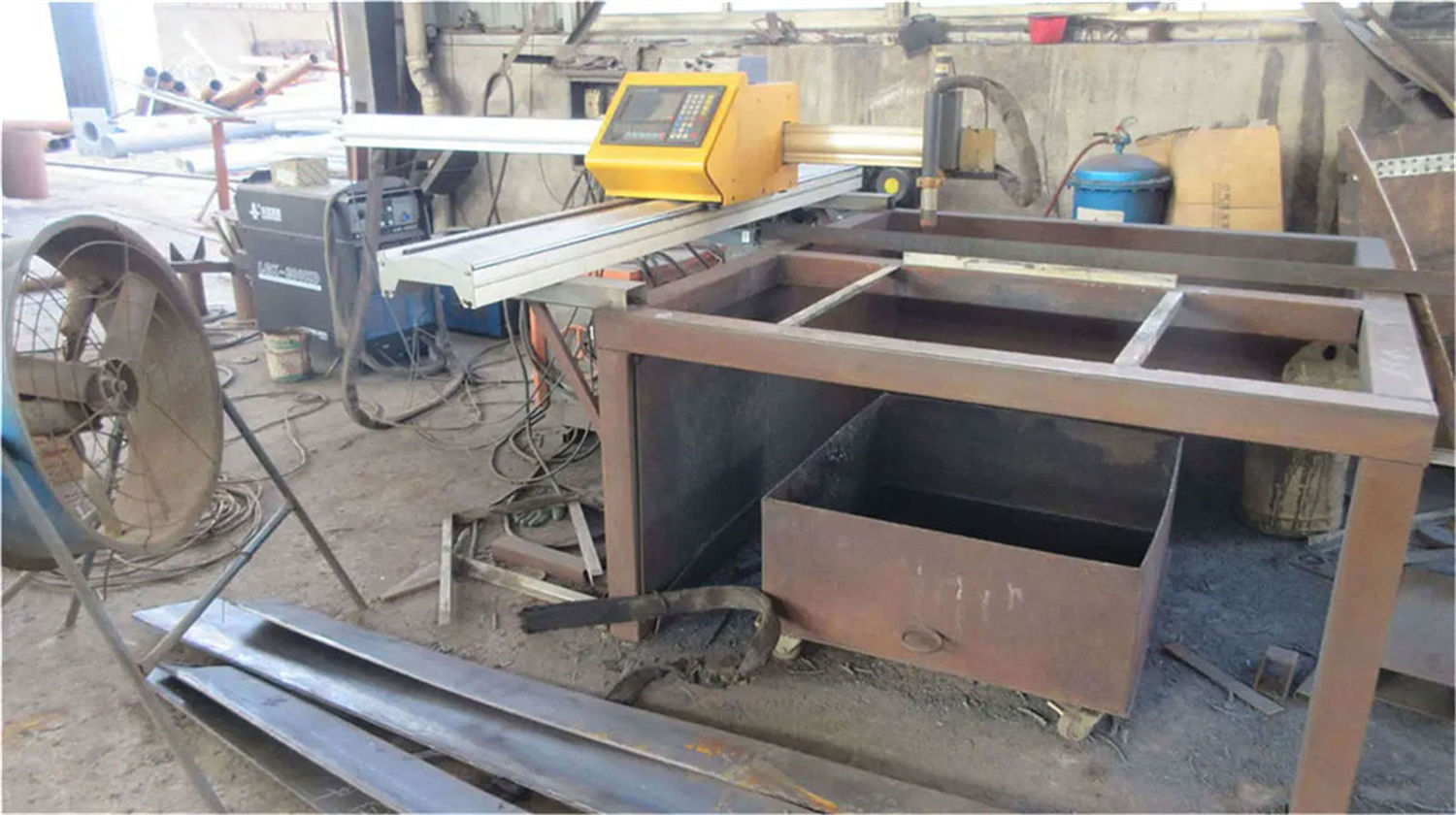
High precision sheet-metal cutting and formatting.
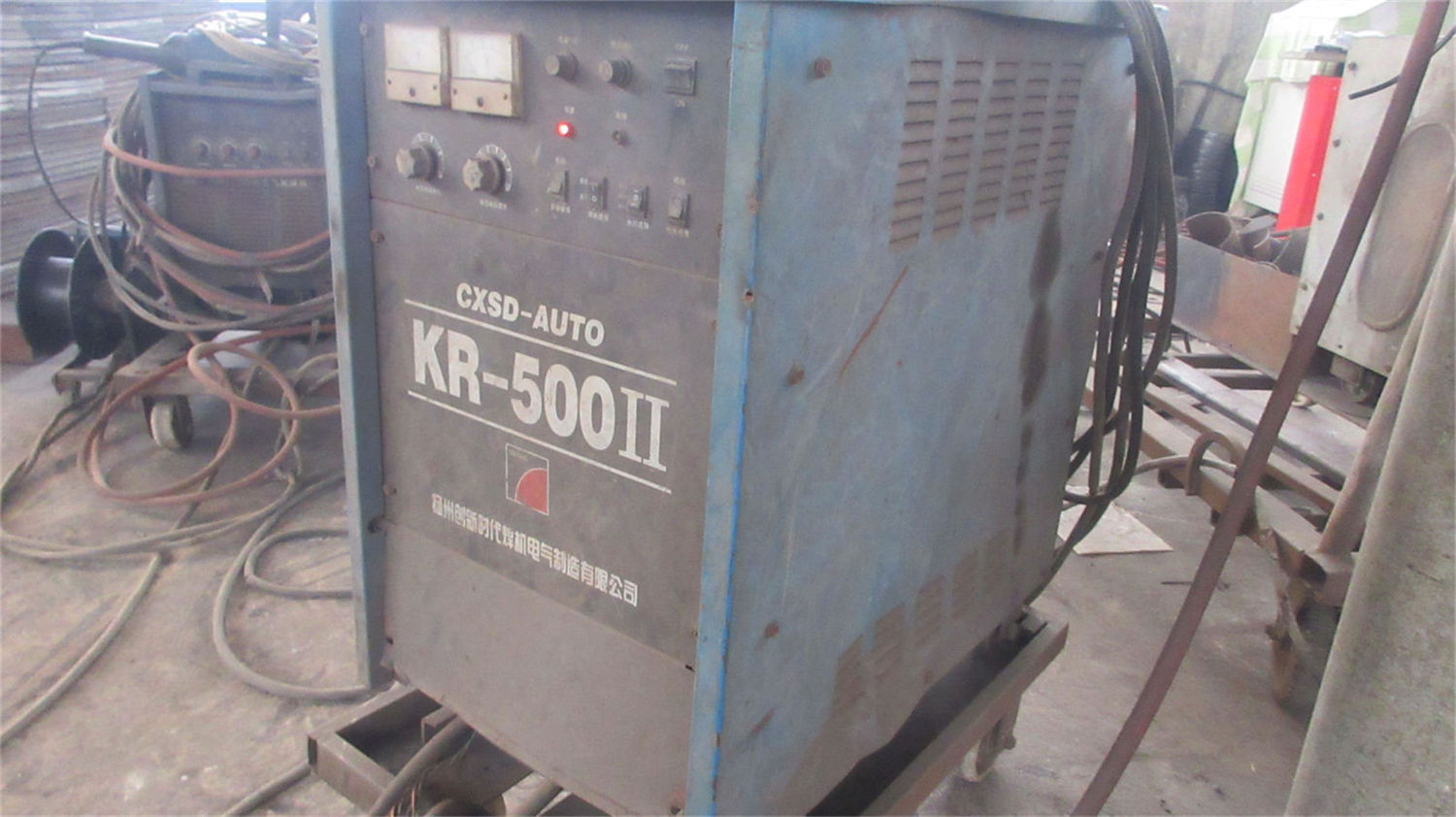
Provides deep-penetration structural welds for high-wind resistance.
How procurement committees select, evaluate, and audit global suppliers of solar spotlights and systems.
When engineering firms and municipal purchasers benchmark the top solar spotlight manufacturers and exporters, they look past basic retail parameters to focus on systemic metrics. The total cost of ownership (TCO) and long-term stability are governed by specific structural and electrical parameters.
Monocrystalline arrays with Anti-Reflective (AR) coated tempered glass minimize dust buildup and maximize photon collection in low-light environments.
Active overcharge/undercharge protection with thermal runway prevention. Use of premium LiFePO4 batteries to survive high-ambient regions.
Marine-grade die-cast aluminum alloys (e.g., ADC12) with high silicon-copper performance, maintaining structural integrity under high salt-fog conditions.
| Manufacturer Criteria | Technical Benchmark Target | Significance for Global Procurement |
|---|---|---|
| PV Cell Efficacy | ≥ 22.0% (N-type Monocrystalline) | Minimizes physical surface footprint required for maximum battery charge. |
| Battery Chemistry | LiFePO4 with active smart BMS | Maintains battery health over 3,000+ full discharge cycles. |
| LED Chip Brand & Package | Bridgelux, Cree, Lumileds (SMD 3030/5050) | Ensures high CRI (>80) and lumen maintenance over decades. |
| Ingress & Impact | IP66 Rated, IK08 Impact Protection | Withstands high dust storm environments and mechanical vandalism. |
| Surface Protection | Electrostatic Powder + Fluorocarbon Spraying | Avoids paint cracking and oxidation in extreme coastal UV environments. |
From parking lots to municipal infrastructure: Tailoring engineering solutions for distinct target sites.
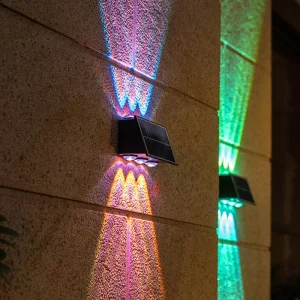
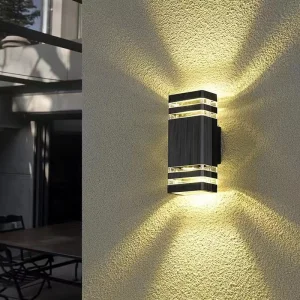
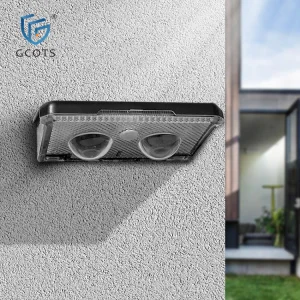
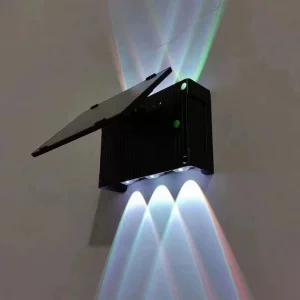
High-end hospitality venues, corporate headquarters, and shopping complexes use solar spotlights to elevate night aesthetics without running high-voltage copper lines. Gtron Solar provides adjustable, narrow-beam spotlights utilizing optical micro-lenses to highlight vertical architecture. By leveraging integrated dusk-to-dawn sensors, these systems automatically transition between high-intensity projection mode and ambient energy-saving modes.
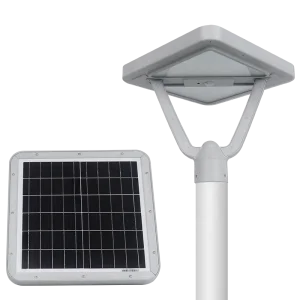
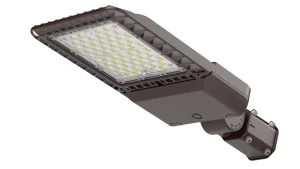
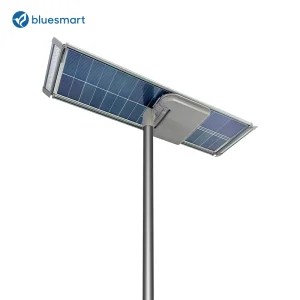
Large spatial zones require high-lumen outputs and wide beam distributions (Type II, III, or V optical distributions). In these settings, integrated (all-in-one) and split solar lighting fixtures with high-wattage outputs (50W to 240W LED) deliver the necessary horizontal lux levels while mitigating dark corners. Gtron Solar's split designs allow the solar panel to be oriented toward maximum solar exposure while directing the light fixture down to target zones.
Modern municipalities specify IoT connectivity. Gtron Solar integrates Zigbee, LoRa, or NB-IoT microcontrollers within the lighting system. These smart-nodes allow municipal operators to remotely track battery state-of-charge (SoC), monitor LED load currents, and adjust dimming profiles on the fly based on local weather conditions, reducing maintenance call-outs by up to 45% through predictive analytics.
Meeting stringent global electrical, environmental, and structural regulatory systems.
Navigating global import barriers and municipal construction codes requires comprehensive certifications. Manufacturers like Yangzhou Gtron Solar Co., Ltd. ensure compliance across multiple jurisdictions:
Full adherence to CE and RoHS regulations. Products undergo intensive electromagnetic compatibility (EMC) testing and low voltage safety assessments (LVD).
Components are built to satisfy UL and ETL criteria. Solar systems utilize UL-listed battery cells to protect against potential thermal runaway.
Strict conformity to ISO 9001 and ISO 14001 guidelines across Gtron's vertical manufacturing floor, guaranteeing batch-to-batch structural uniformity.
Beyond certificates, local municipal codes often dictate structural wind-load parameters. Gtron Solar constructs its lighting poles and mounting hardware from high-tensile hot-dip galvanized steel, certified to resist sustained wind speeds of up to 160 km/h. This is critical for coastal deployment zones and hurricane-prone tropical markets.
The next frontier of solar illumination systems.
As the solar lighting sector transitions from static fixtures to adaptive energy nodes, the next generation of solar spotlights will integrate several emerging technologies:
Detailed answers to complex technical queries from engineers, architects, and procurement officers.
A: Integrated solar lights are easy to install, but they restrict positioning because the solar panel and light source are housed in one body. If the lamp needs to face down, the solar panel is forced to point up, which might not be the optimal angle for sun exposure depending on the latitude. Split solar lights allow you to install the solar panel at the ideal angle for maximum solar collection (facing South in the Northern Hemisphere) while positioning the LED fixture exactly where illumination is needed, even in shaded areas.
A: Lithium Iron Phosphate (LiFePO4) is preferred due to its thermal stability. However, charging below 0°C can cause lithium plating, which reduces battery capacity over time. High-quality systems feature smart BMS units that halt charging below freezing or use low-wattage heating elements to keep the battery within a safe range (5°C to 45°C) for optimal charging efficiency and to prevent degradation.
A: Hot-dip galvanization coats the interior and exterior of steel poles with a durable zinc alloy layer. Unlike paint, this zinc layer acts as a sacrificial anode, preventing rust even if the surface is scratched. This process ensures the structure remains safe and stable for 25+ years in humid, high-salinity coastal areas.
A: L80B10 is an industry-standard durability rating. It indicates that after the specified hours of operation (e.g., 60,000 hours), at least 90% of the LEDs will still output at least 80% of their initial luminous flux. This ensures stable light output and prevents sudden light loss, minimizing maintenance costs over time.
A: Yes, customized configurations are designed for high latitudes. They use larger solar panels to capture low-angle winter sunlight, low-temperature LiFePO4 or LTO (Lithium Titanate) batteries, and smart controllers with temperature sensors to manage charging cycles and keep the system operating reliably in cold climates.
Engineered for durability, optical performance, and extreme outdoor environments.