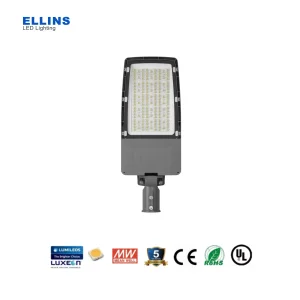
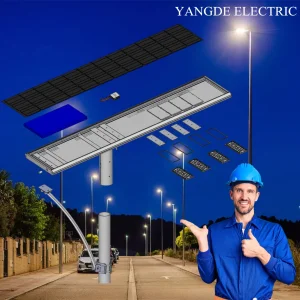
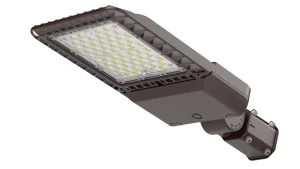
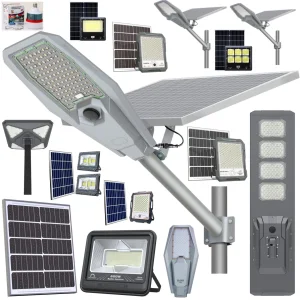
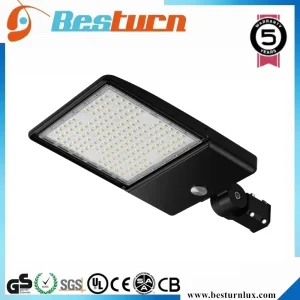
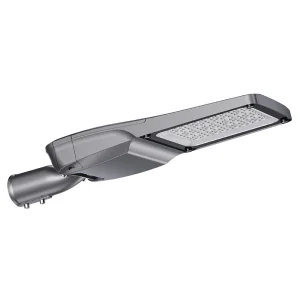
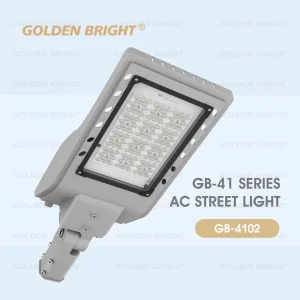
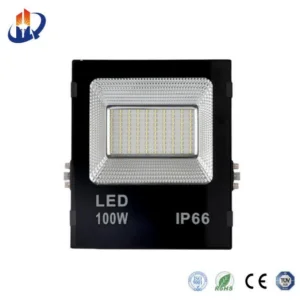
Featured high-durability lighting fixtures selected for Tarawa, Kiritimati, and outer island developments.
Kiribati, an island nation comprising 32 atolls and one raised coral island spanning across the central Pacific Ocean, faces some of the most critical energy infrastructure challenges in the world. With communities scattered across vast ocean distances (including the Gilbert Islands, Line Islands, and Phoenix Islands), the reliance on imported petroleum products for electrical power generation imposes astronomical financial burdens on public utilities like the Public Utilities Board (PUB). Diesel-fueled microgrids on South Tarawa and solar-hybrid configurations on outer islands require highly specialized electrical equipment that minimizes load demands while withstanding the harshest marine environmental stresses.
Street lighting is key to public safety and economic development, yet conventional lighting consumes excessive energy. The transition to advanced solid-state LED systems and off-grid solar-powered lighting is no longer just a sustainable initiative—it is a critical economic necessity for Kiribati. Implementing high-efficacy LED luminaires reduces power generation requirements, allowing limited local grids to direct electricity towards essential residential, educational, and medical needs.
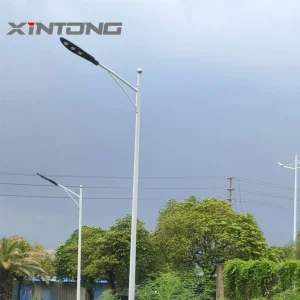
The primary transport corridor along South Tarawa—connecting Betio, Bairiki, and Bikenibeu—runs directly parallel to the coastline. These roadways are continuously exposed to saltwater spray, high tide splashes, and sand abrasion. Traditional metallic light housings rust out within 12 to 24 months under these conditions. Gtron Solar's hot-dip galvanized and powder-coated LED fixtures with high marine-grade protective finishes ensure long lifetimes. Utilizing asymmetric optical lenses directs light precisely onto the narrow roads, preventing light pollution over the sensitive lagoon habitats.
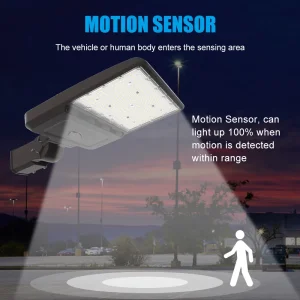
In the outer islands of the Gilbert and Line groups, utility grid access is virtually non-existent. Solar energy is the primary source of illumination. Integrated (All-in-One) and Split-type solar LED street lights equipped with high-capacity Lithium Iron Phosphate (LiFePO4) batteries and MPPT charging controllers provide reliable lighting throughout the night. Smart motion sensors and dimming profiles dynamically manage power to ensure a minimum of 3 to 5 continuous rainy day back-ups, safeguarding local communities even during extended tropical overcast spells.
The Port of Betio is Kiribati's primary gateway for international trade and shipping. Industrial lighting at port installations requires high-power luminaires that can withstand vibration from machinery, high winds, and severe saltwater corrosion. The 300W and 400W LED street and area lights with IP66 ingress protection and IK08 impact ratings provide uniform, high-visibility illumination for night loading operations, significantly increasing workplace safety and cargo handling throughput.
| Application Area | Recommended Lighting Tech | Power Range | Key Environmental Mitigation |
|---|---|---|---|
| Coastal Highways (Tarawa) | AC LED Street Light / Smart Dimming | 100W - 200W | C5-M Anticorrosion Coating, Wide-voltage SPD (10kV/20kV) |
| Outer Island Comm. | Integrated Solar LED / Smart PIR Sensor | 60W - 120W | Grade-A LiFePO4 battery, Monocrystalline PV, IP67 Protection |
| Docks & Ports | High Mast LED Area Light / Projector | 150W - 300W+ | SUS316 Stainless brackets, heavy-duty surge protection |
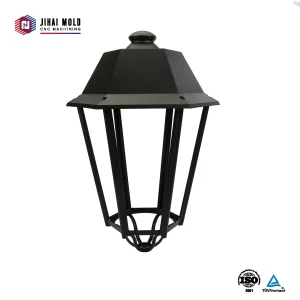
| Village / Garden / Path | LED Villa Street Lantern / Post Top | 30W - 80W | Esthetic design, low glare, die-cast aluminum housing |
Adapting high-performance LED street lighting for Kiribati requires addressing three critical environmental challenges: extreme salinity, intense solar UV radiation, and high humidity.
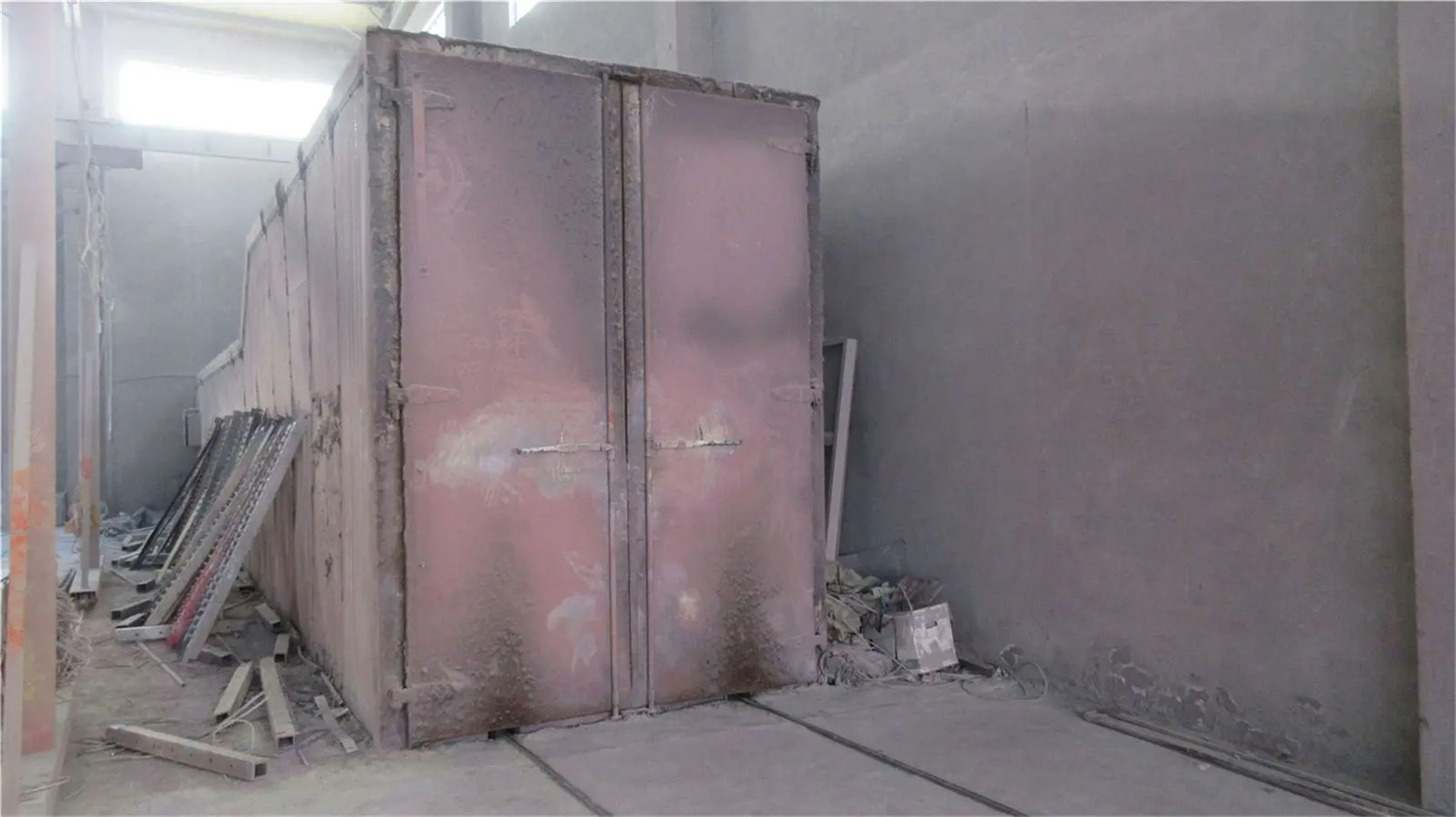
Ordinary aluminum die-cast housings undergo rapid galvanic corrosion when exposed to high salt spray concentrations. Our manufacturing facility uses low-copper aluminum alloys (copper content < 0.1%) alongside electrostatic powder coating processes. We apply a multi-layer polyurethane or fluorocarbon finish that meets ISO 12944 C5-M (Marine) standards, protecting the structural integrity of the housing for over a decade.
Kiribati's location near the equator brings consistently high ambient temperatures year-round. Excessive junction temperatures accelerate LED lumen depreciation and driver failure. Our luminaires are engineered with vertical convective heat sinks that prevent sand and leaf buildup while maximizing airflow, maintaining LED junction temperatures below 75°C to preserve their 100,000-hour lifespan.
Small, isolated grids powered by diesel generators often experience voltage sags, swells, and frequency drift. Our AC LED street light drivers feature wide-voltage inputs (90-305VAC or 347-480VAC) and are equipped with 10kV/20kV surge protection devices (SPDs), safeguarding the delicate LED arrays from transient power surges caused by grid switching or lightning strikes.
Yangzhou Gtron Solar Co., Ltd. is a leading manufacturer and solution provider specializing in high-performance solar lighting systems, LED outdoor lighting, and renewable energy products. Located in the Industrial Zone of Yangzhou City, Jiangsu Province, China, the company has dedicated its engineering, design, and manufacturing capabilities to high-quality outdoor illumination solutions since its establishment.
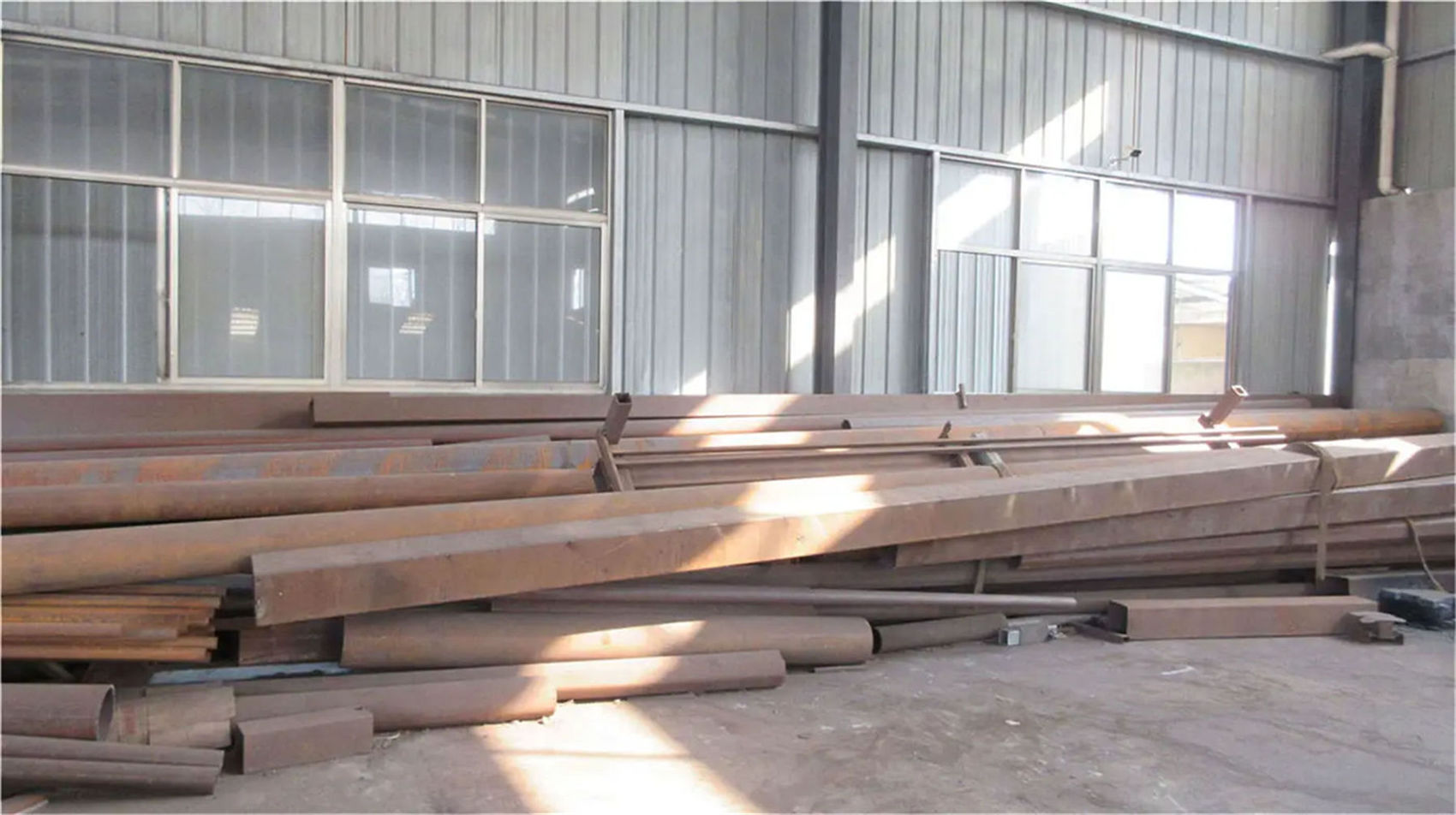
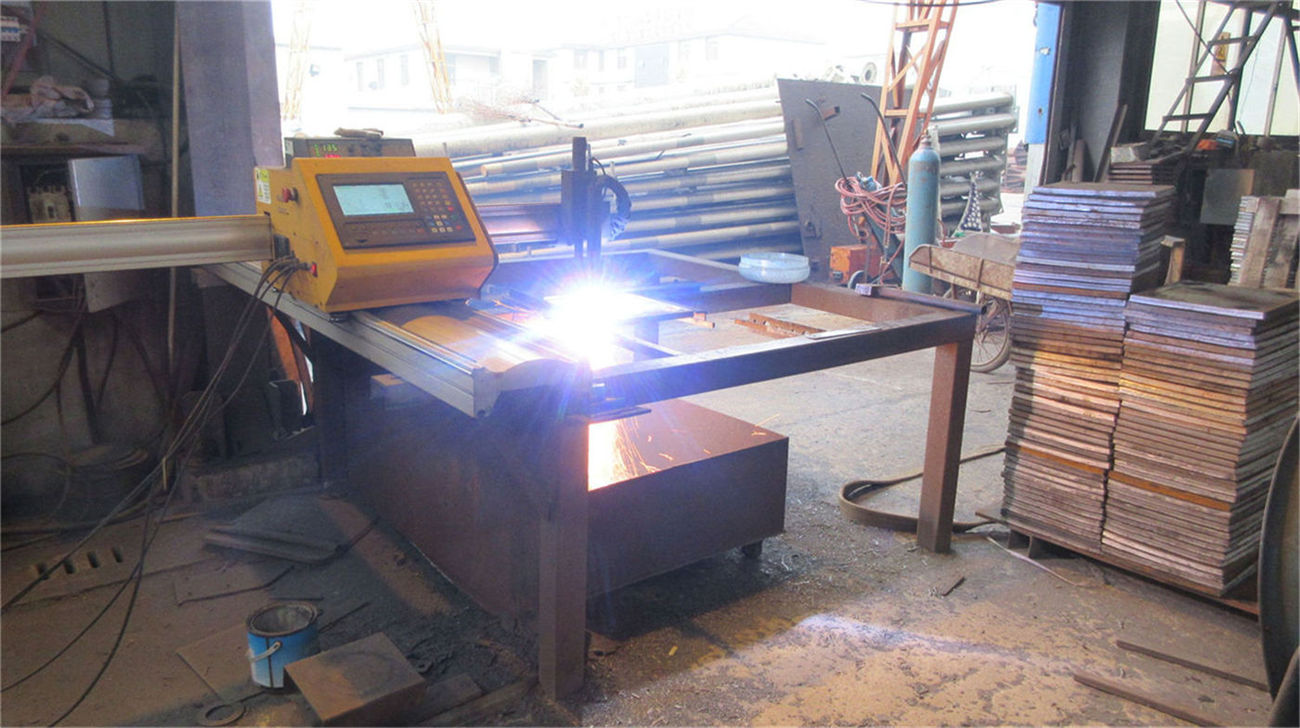
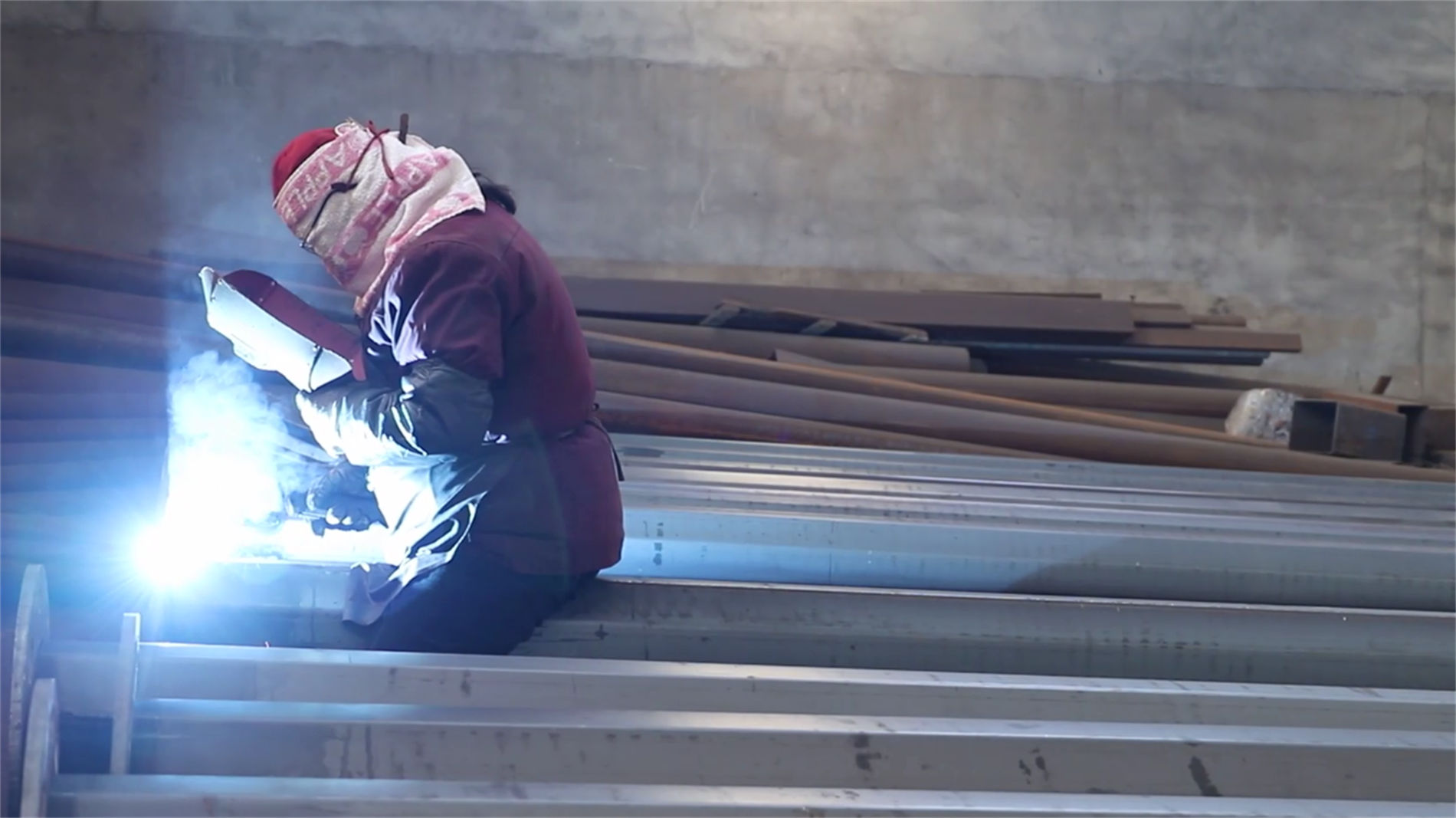
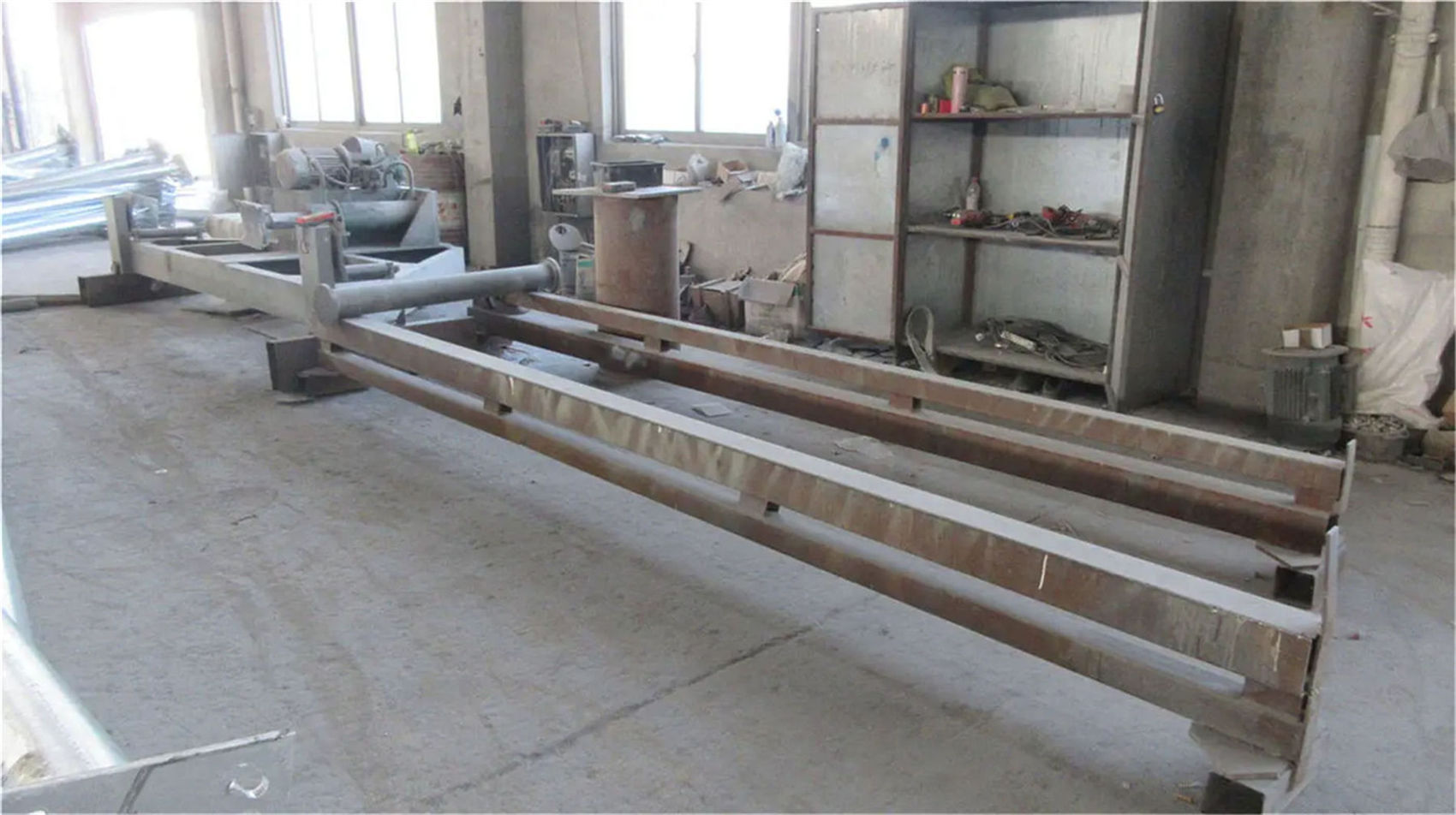
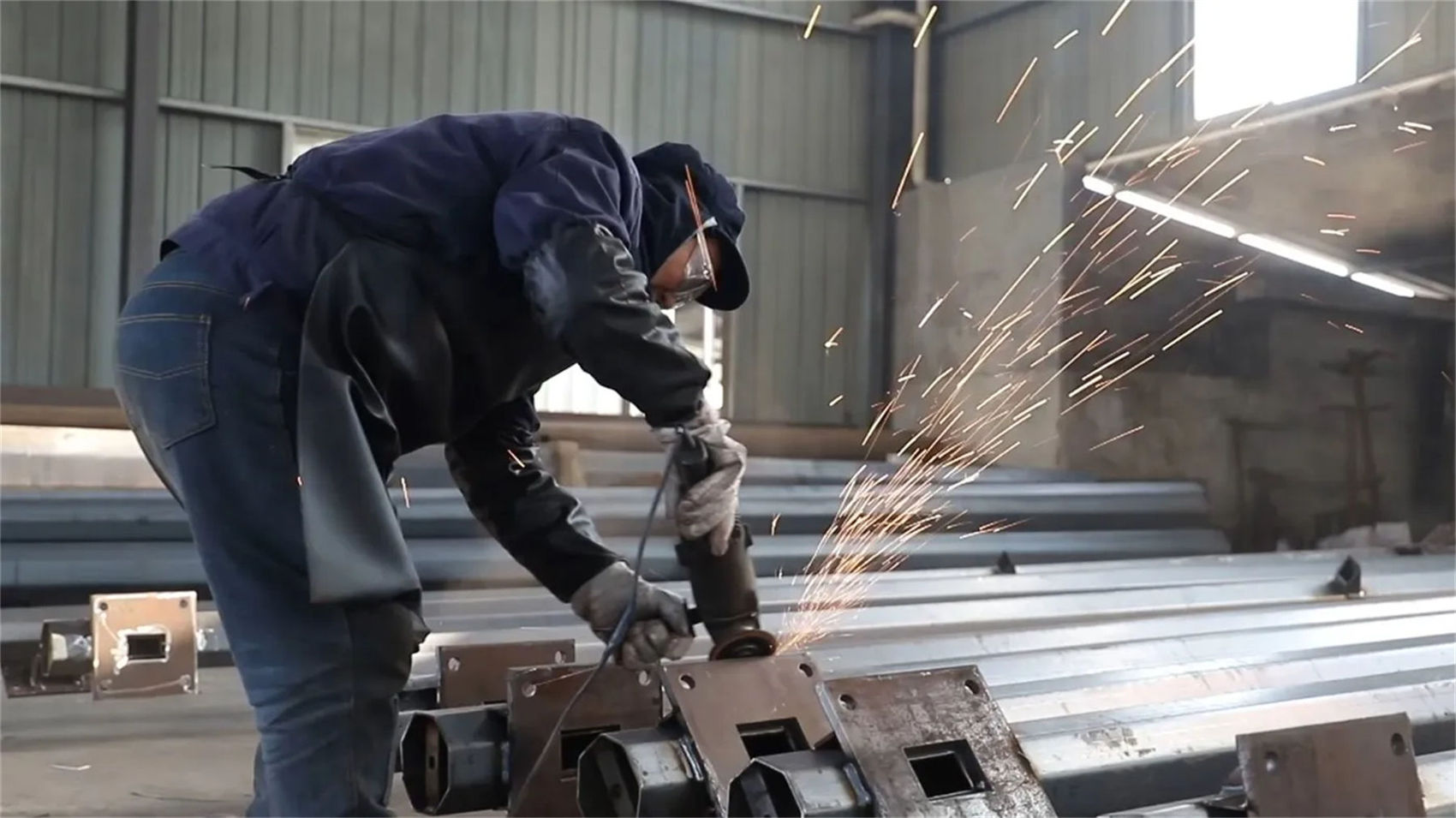
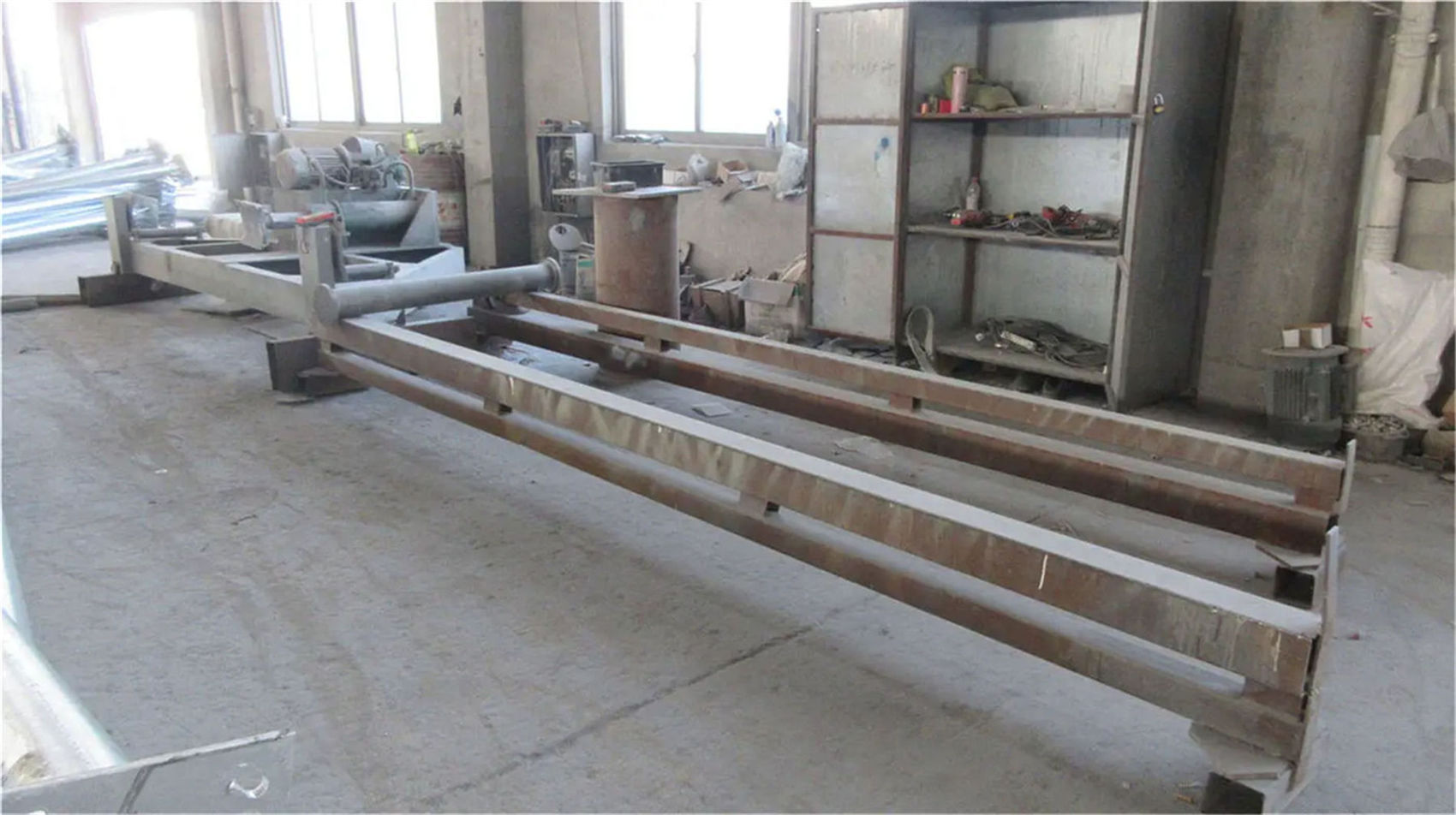
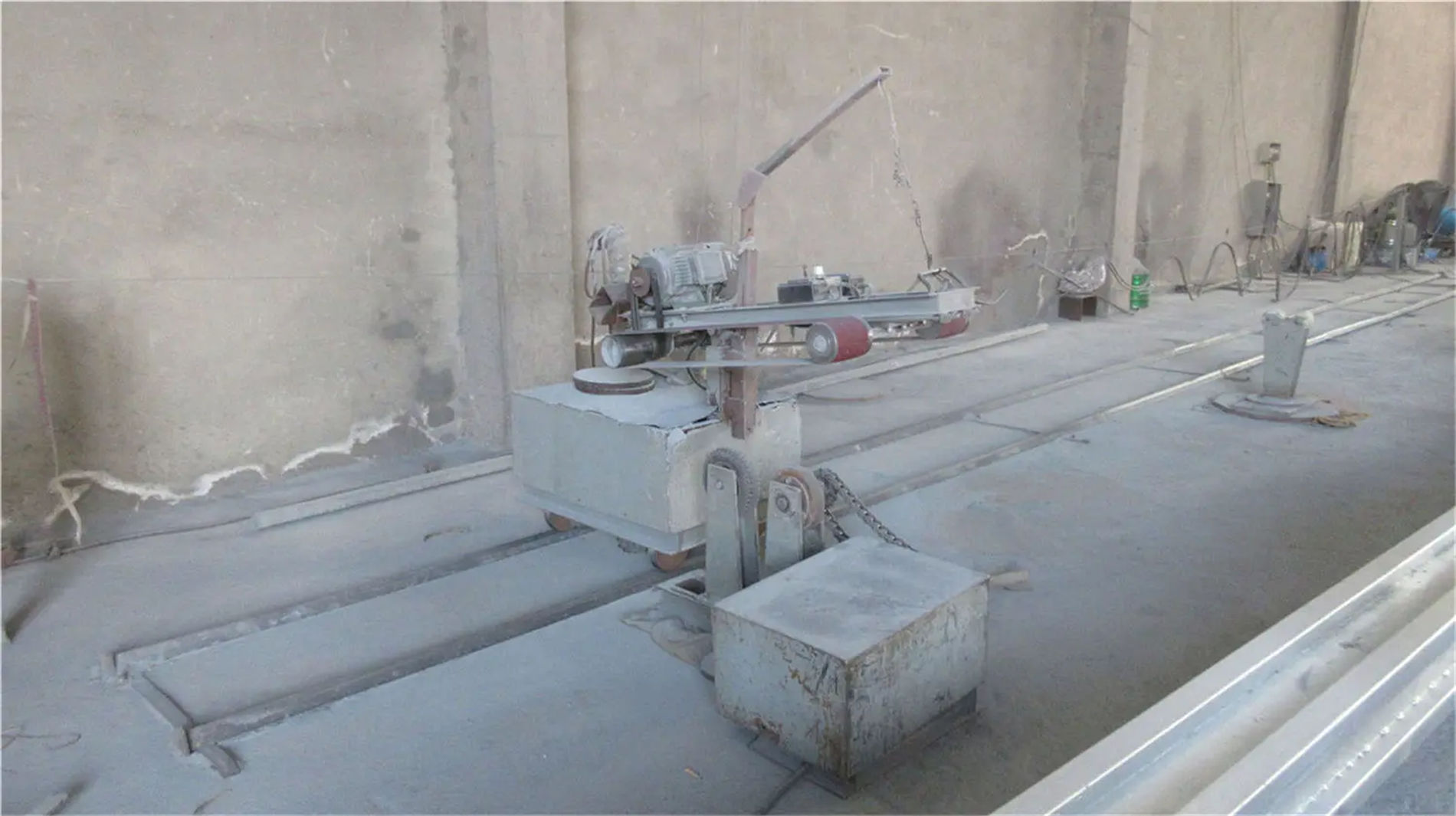
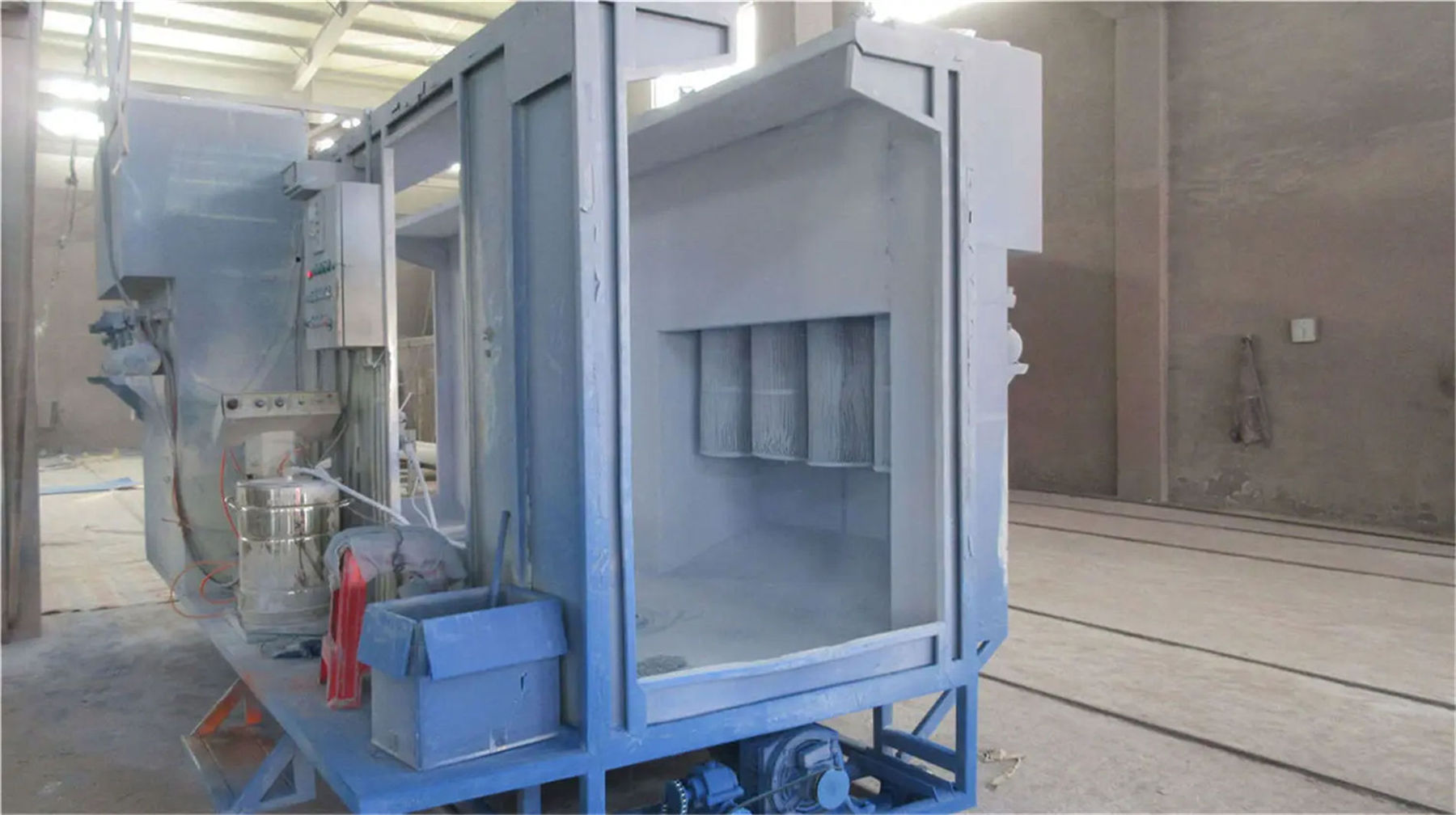
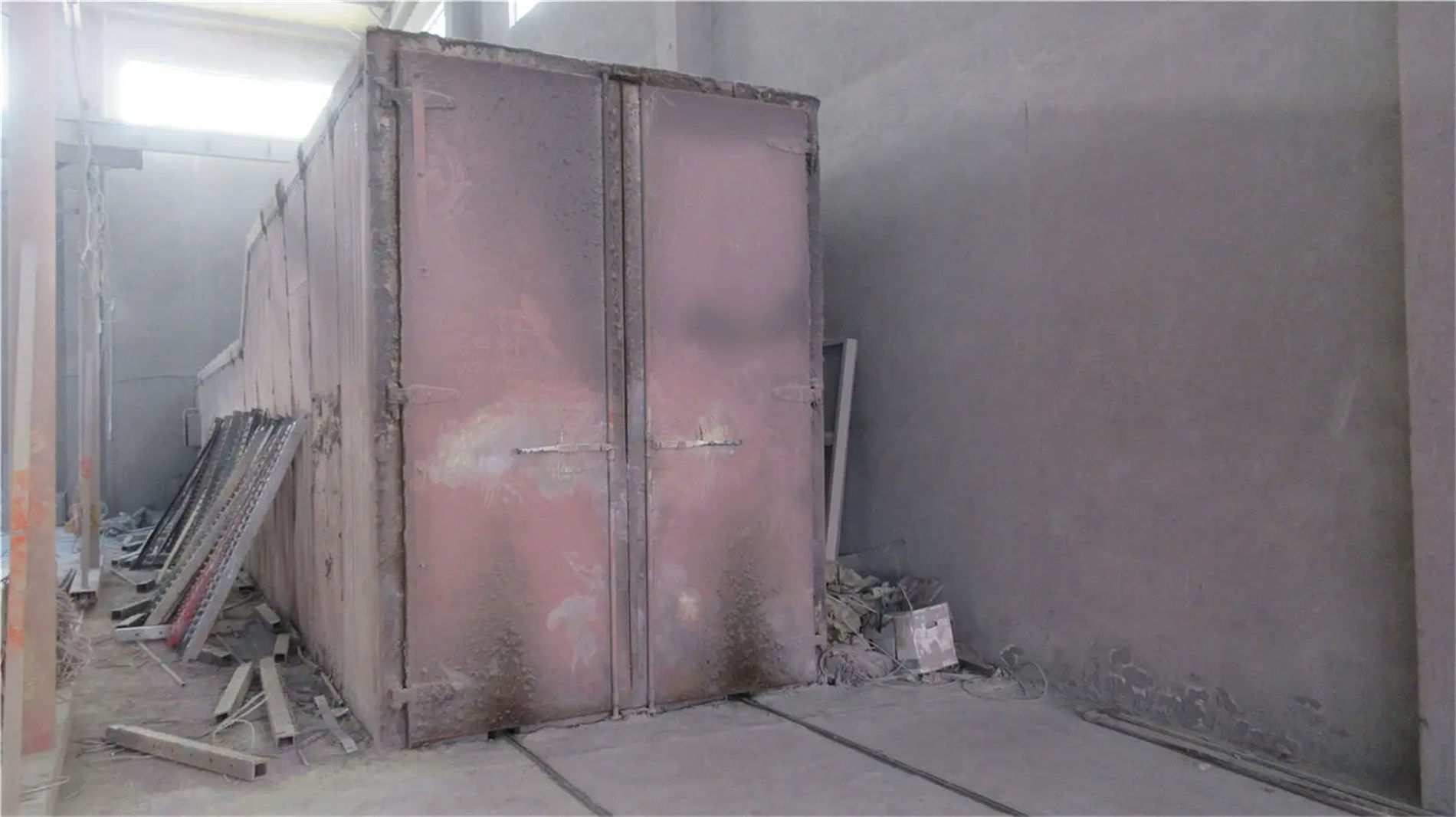
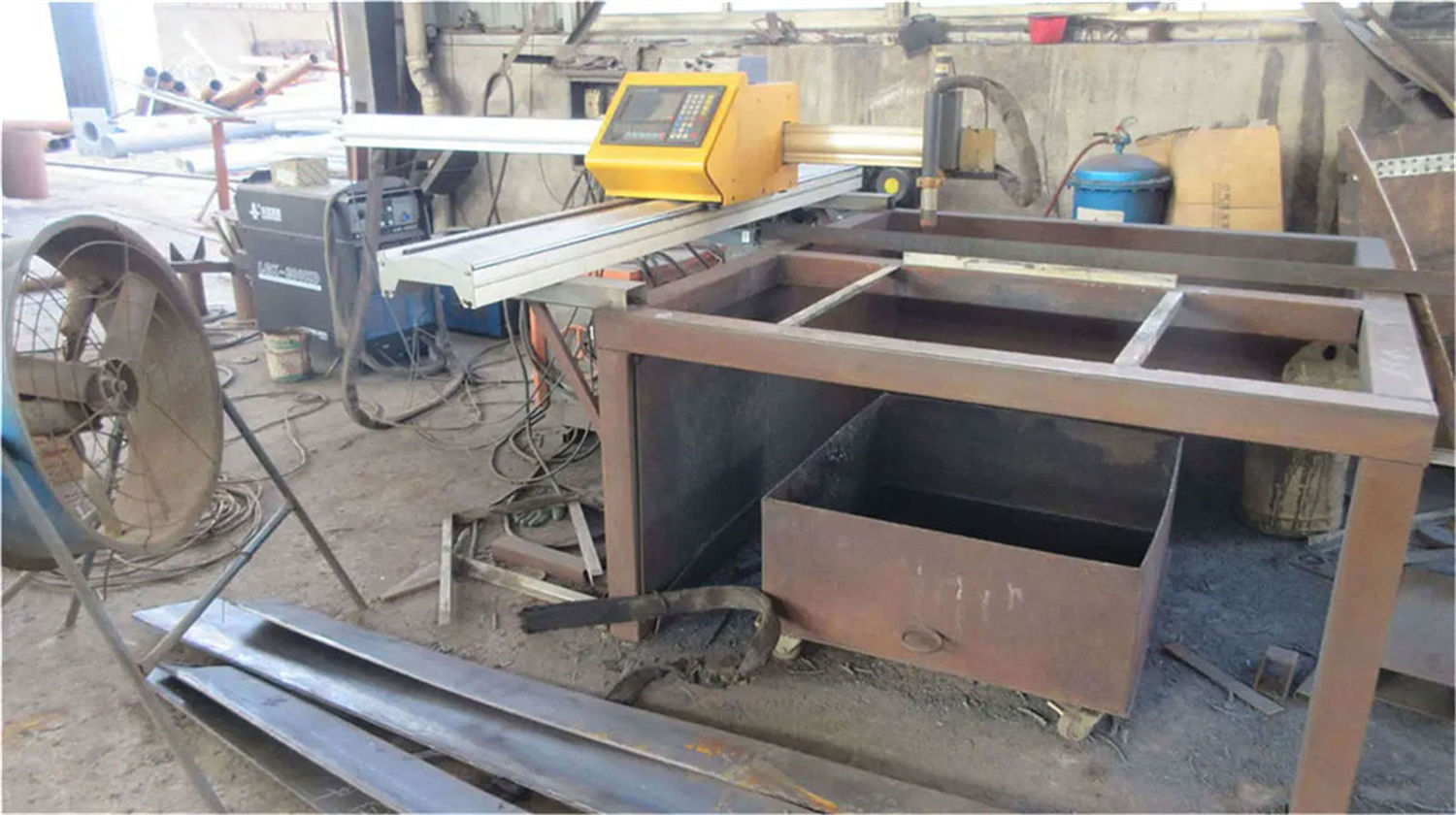
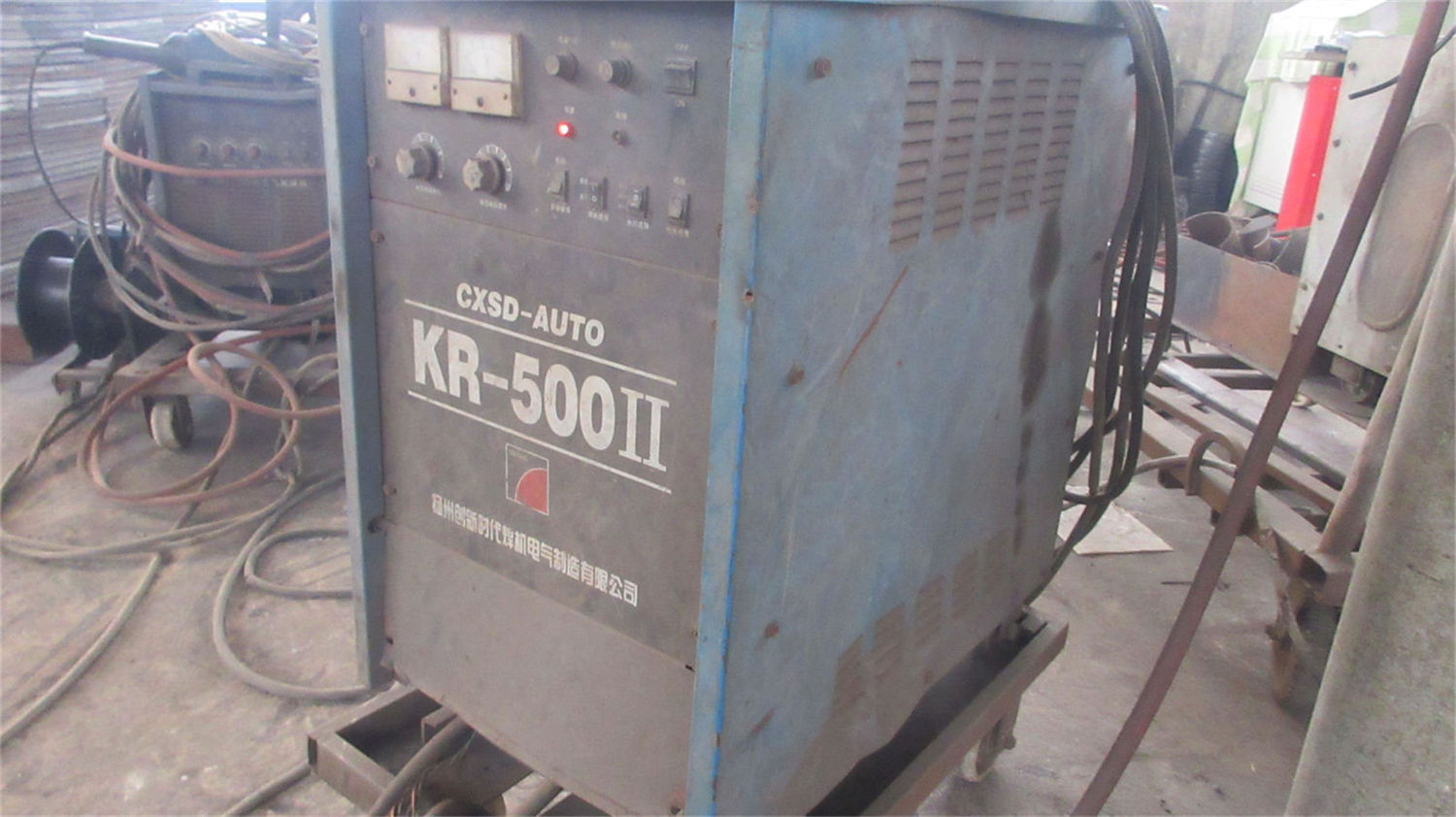
Over the past two decades, Gtron Solar has evolved into a state-of-the-art manufacturing enterprise. Our 20,000-square-meter facility features advanced fabrication machinery, including CNC bending machines, high-speed longitudinal shearing lines, automatic submerged arc welding systems, laser cutting machines, electrostatic powder coating lines, and comprehensive automated photometric and electrical testing equipment. This vertically integrated manufacturing process allows us to control the quality of every component—from raw steel poles to delicate PCB assemblies.
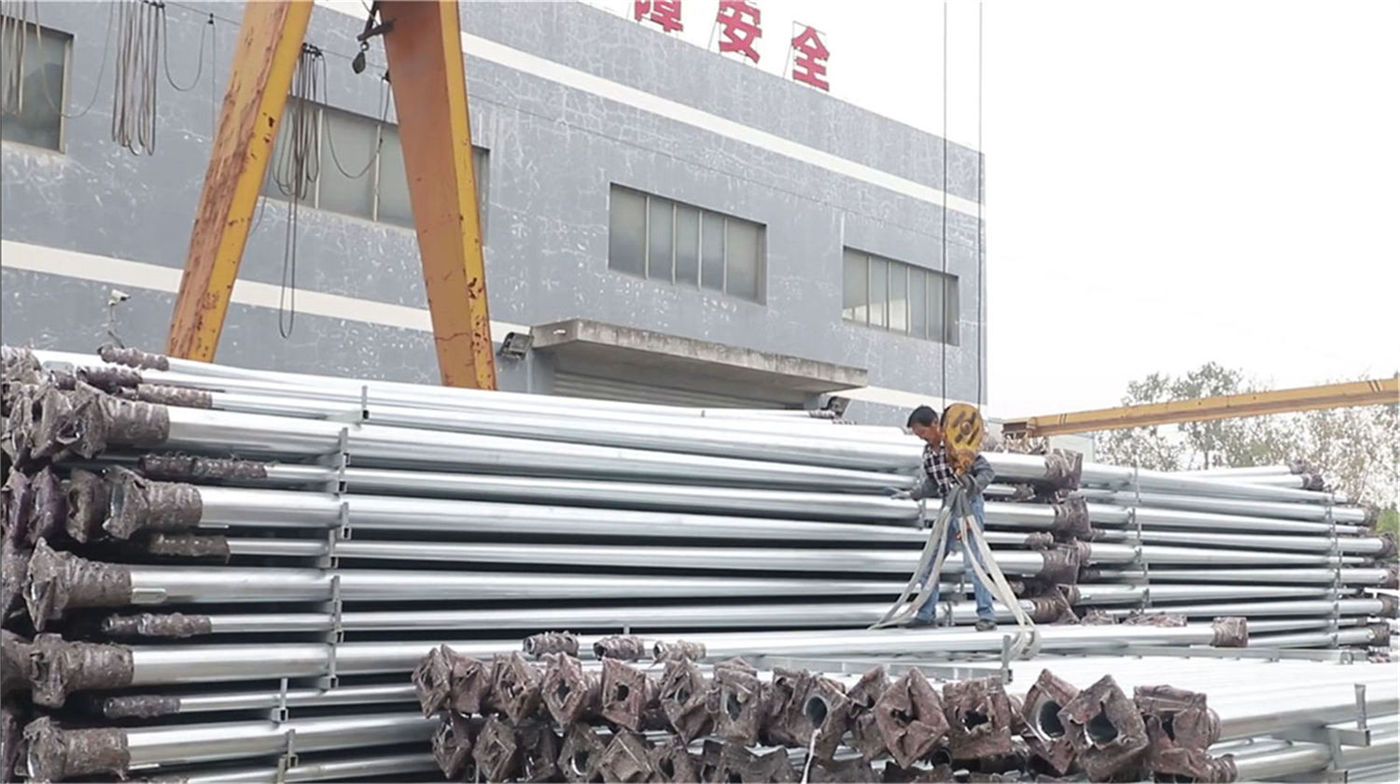
Shipping logistics to remote destinations like the Port of Betio in South Tarawa require robust packaging and secure supply chain processes. Yangzhou Gtron Solar has developed optimized shipping protocols for Pacific Island markets to ensure products arrive safely and intact.
All luminaires, solar panels, and smart control components are packed in thick, multi-layer corrugated cardboard boxes with form-fitting EPE protective foam inserts. Hardware components are vacuum-sealed in heavy-duty polybags to prevent moisture intrusion during sea transit across equatorial routes.
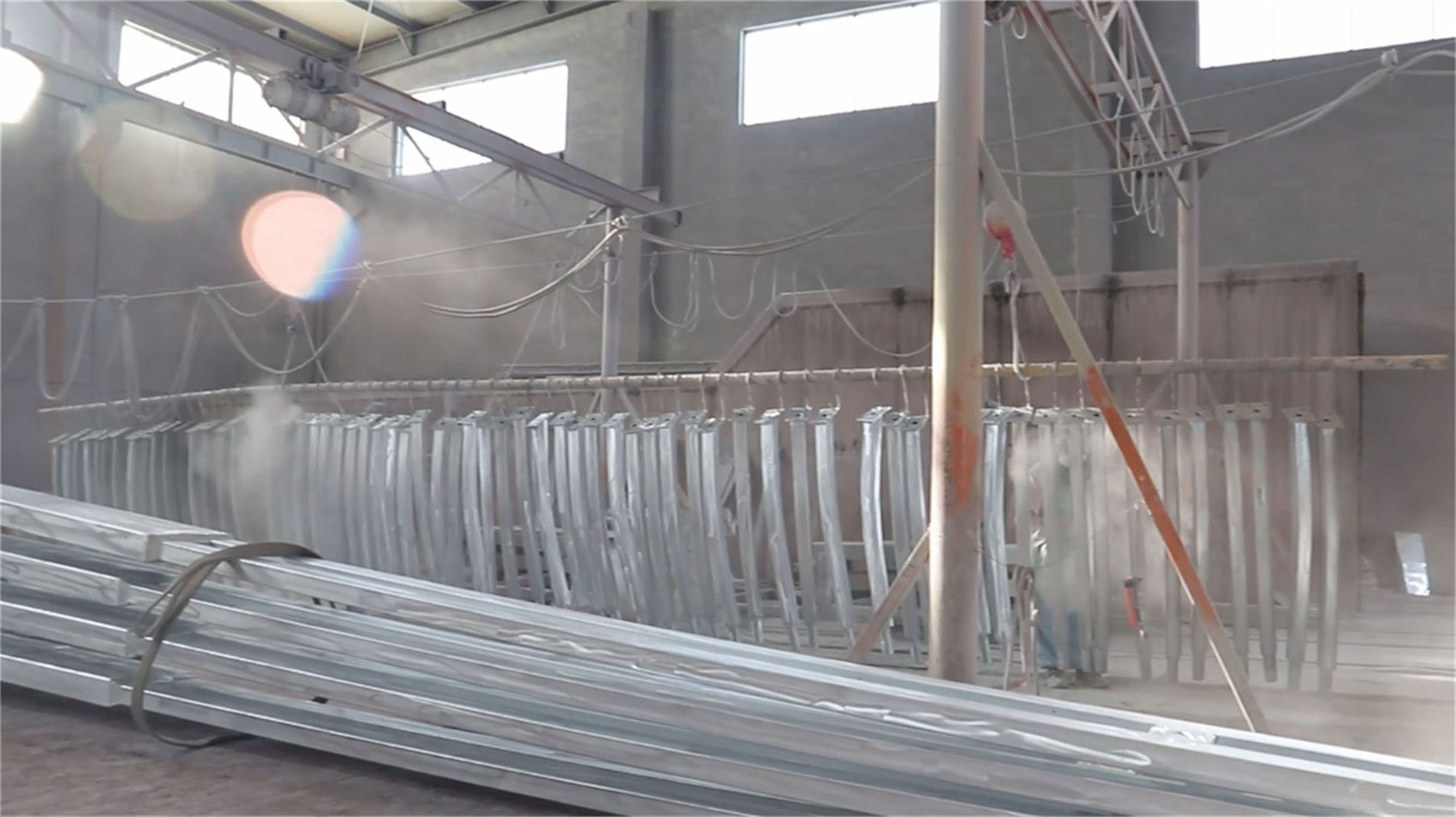
Our lighting poles undergo hot-dip galvanizing internally and externally, complying with ISO 1461 standards. The zinc layer acts as a sacrificial anode, preventing rust even if the exterior powder coat is scratched during transit or installation. This structural treatment is crucial for coastal projects in high-salinity marine environments.
Our factory operations and product lines are certified to international standards, including ISO 9001 (Quality Management), ISO 14001 (Environmental Management), CE, RoHS, and CCC. This makes it easier for municipal planners and international development agencies to verify that our products meet global standards for energy efficiency, safety, and reliability.
Select from our extensive product portfolio built for durability, efficiency, and smart municipal applications.