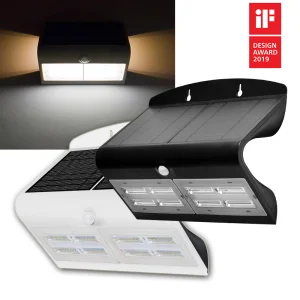
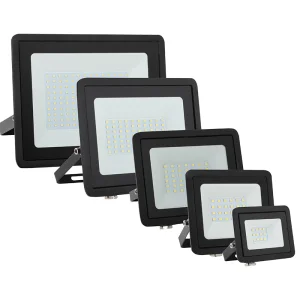
Intelligent solar lighting solutions certified for urban integration, public safety, and energy self-reliance across Lisbon’s historic and industrial quarters.
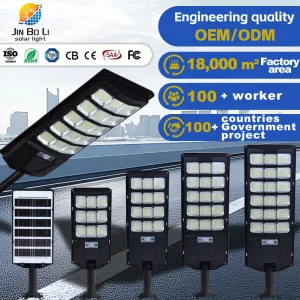
Lisbon is experiencing an unprecedented structural transition driven by the Lisbon Climate Action Plan 2030 and the European Union’s broader Net-Zero emissions mandates. Benefiting from over 2,800 hours of solar irradiation annually—among the highest of any European capital—the Greater Lisbon area, including logistics clusters in Vila Franca de Xira, maritime operations at the Port of Lisbon (Porto de Lisboa), and commercial developments in Parque das Nações, represents a prime geography for high-performance solar lighting integration.
However, importing and implementing solar technologies along the Atlantic coastline presents unique challenges. Engineering specifications must account for dynamic factors: saline atmosphere corrosion (C5-M environment), high wind speeds, and consistent humidity. B2B buyers—ranging from Portuguese EPC (Engineering, Procurement, and Construction) companies to municipal developers—are moving away from low-cost retail products and shifting toward industrial-grade, utility-scale solar floodlights that guarantee long-term thermal stability, battery longevity, and low operation and maintenance (O&M) costs.
Coastal Lisbon is characterized by high humidity and salt-laden mist. Standard aluminum castings deteriorate within 18 months, leading to housing failures and internal water ingress.
Open spaces like ports, coastal paths, and hillsides require high wind-load engineering to prevent mechanical fatigue and support failure.
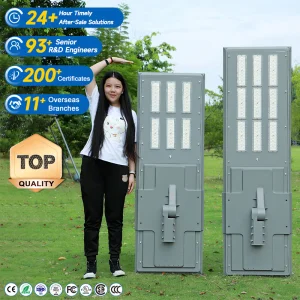
Yangzhou Gtron Solar Co., Ltd. delivers field-tested systems designed to lower operational overhead.
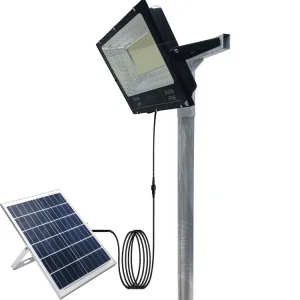
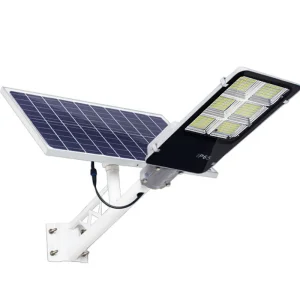
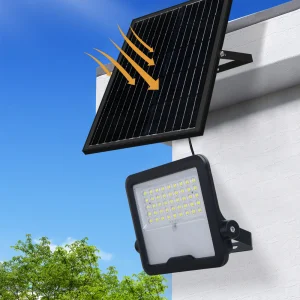
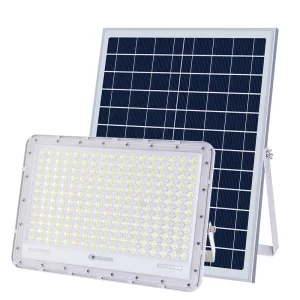
From an engineering perspective, a solar floodlight is an autonomous micro-grid. When evaluating exporters for the Lisbon market, technical directors evaluate four core components: PV conversion efficiency, battery management systems (BMS), thermal heat dissipation, and intelligent dimming algorithms.
Lisbon’s high sun exposure enables rapid solar energy harvesting. Monocrystalline silicon panels with Passivated Transmitter and Rear Cell (PERC) technology are preferred, yielding conversion efficiencies between 21% and 23%. For high-altitude pole mount configurations, bifacial solar panels are increasingly specified to capture reflected light from the ground, boosting overall energy harvest by up to 15% during peak hours.
The choice of battery chemistry directly dictates the operating lifespan of solar luminaires. Lithium Iron Phosphate (LiFePO4) chemistry is the industry standard due to its high thermal stability, safety profile, and depth of discharge (DoD) properties. Unlike traditional ternary lithium batteries (NMC), premium LiFePO4 cells maintain over 80% capacity after 3,000 to 5,000 charging cycles, translating to over 8–10 years of maintenance-free service under Portuguese environmental conditions.
Modern commercial project specifications in Lisbon require remote monitoring and adaptive lighting profiles. Maximum Power Point Tracking (MPPT) controllers with integrated Bluetooth, ZigBee, or LoRaWAN communication modules enable operators to monitor state-of-health (SoH) metrics, customize energy-saving motion profiles, and dynamically schedule output levels based on seasonal variations and real-time battery voltage.
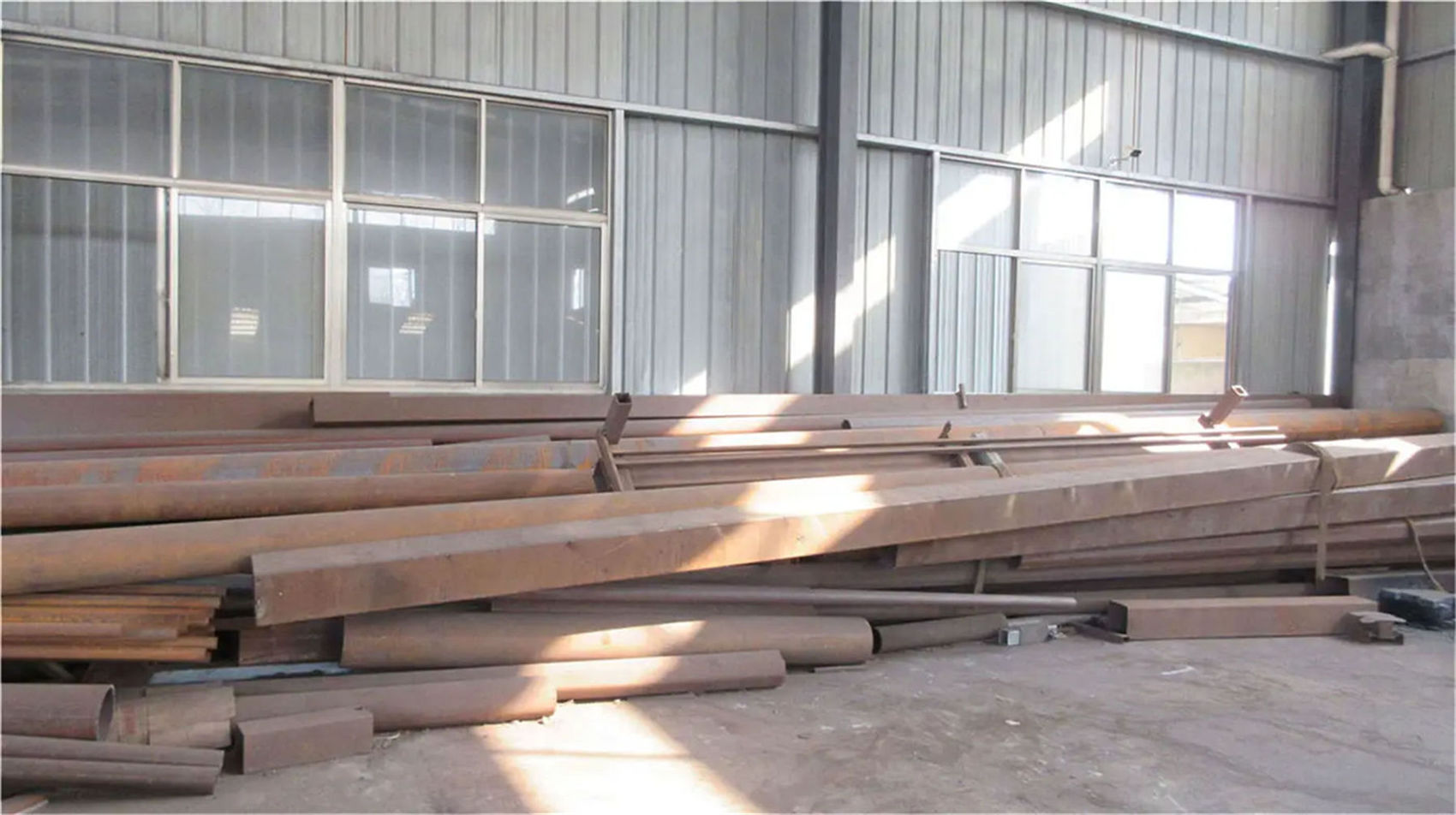
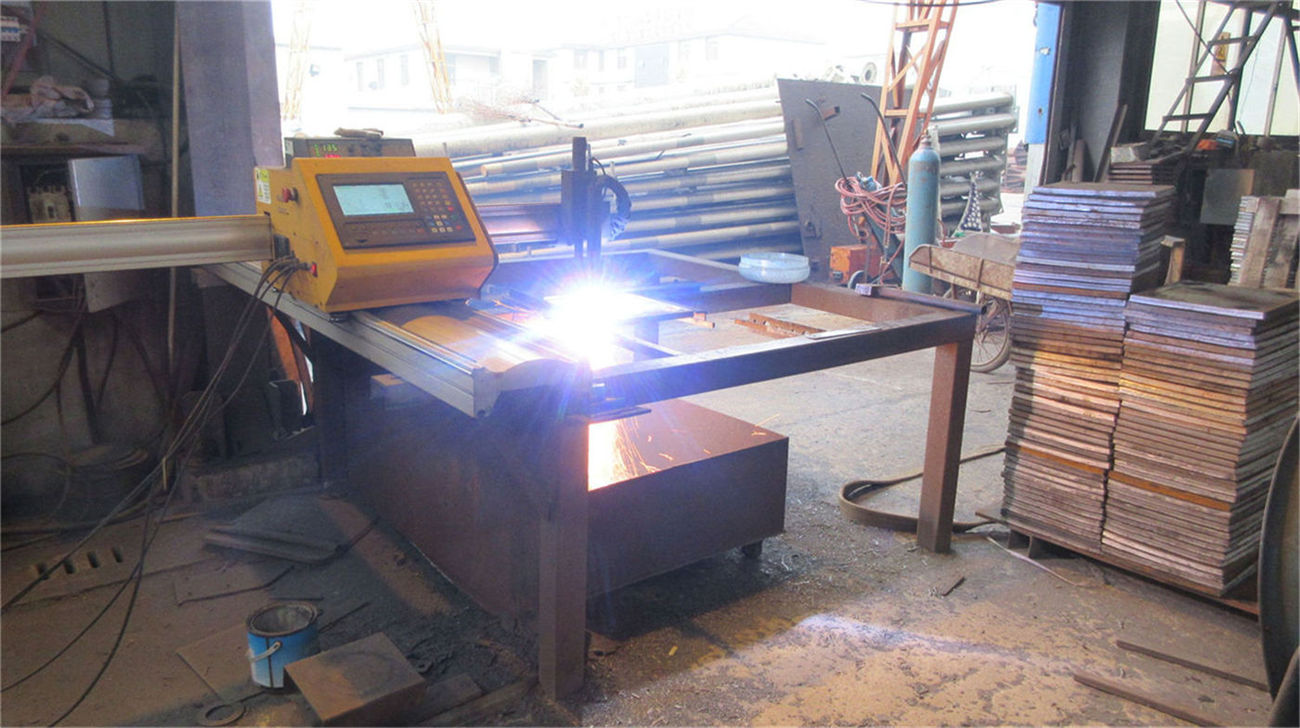
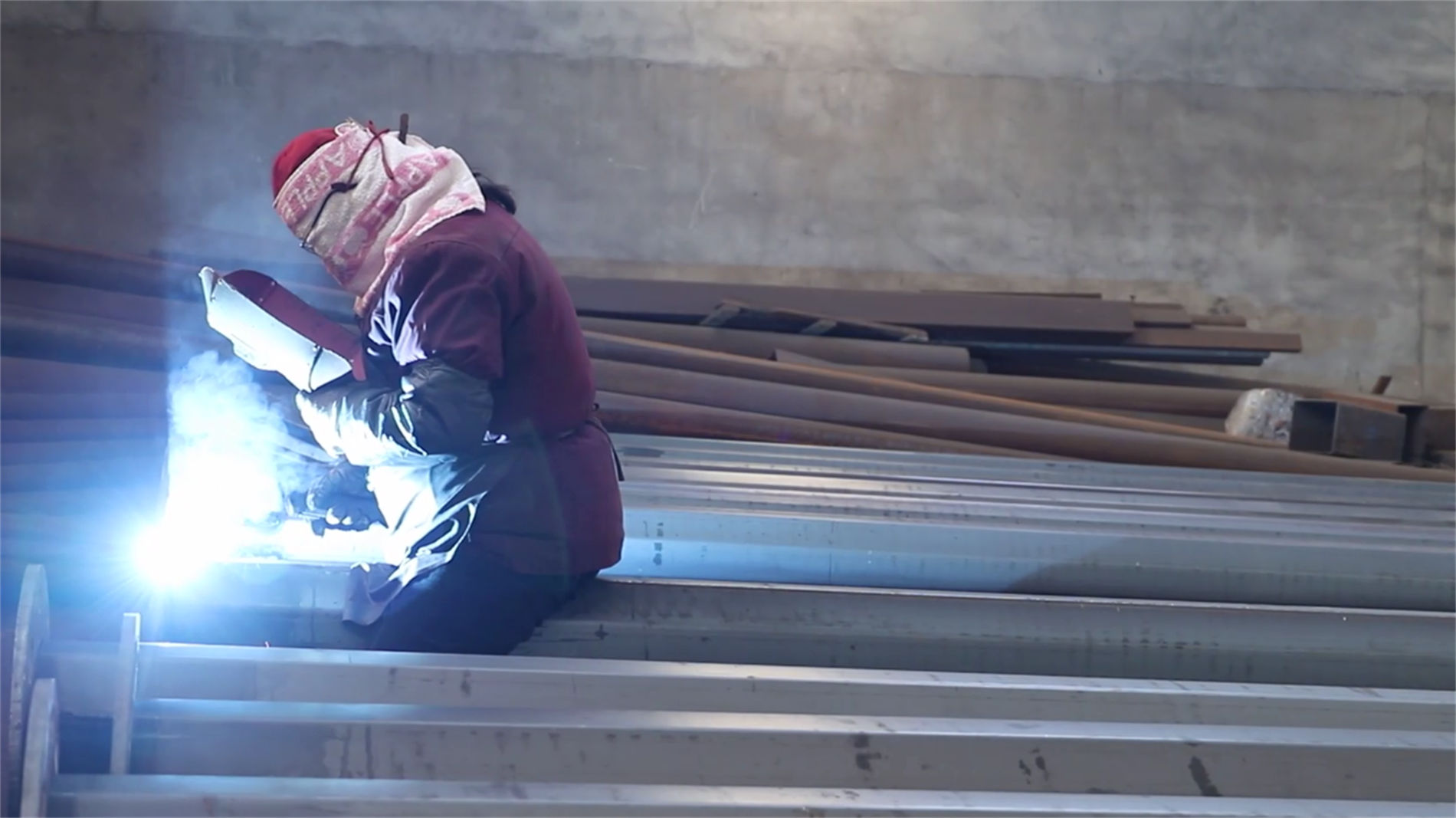
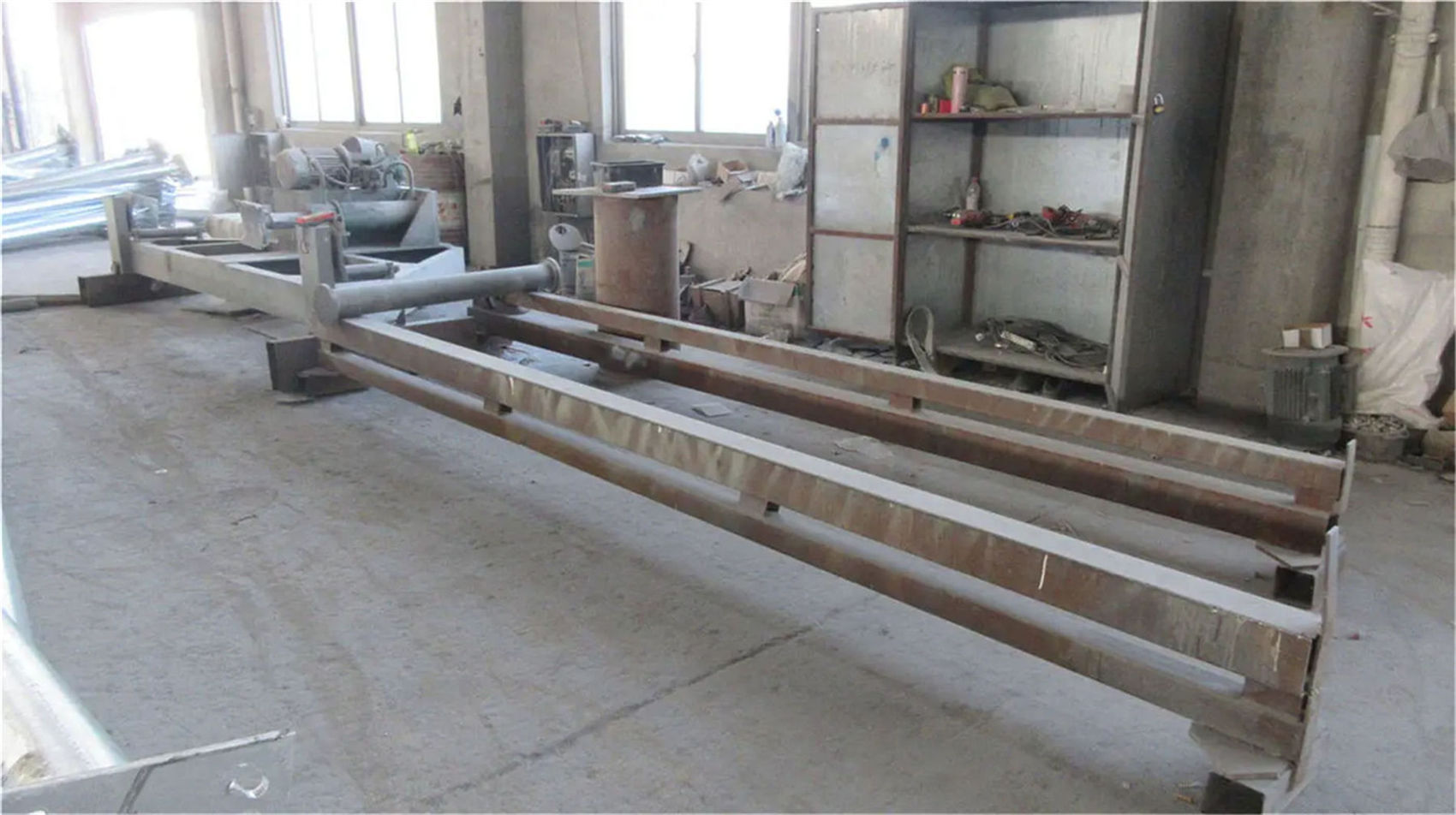
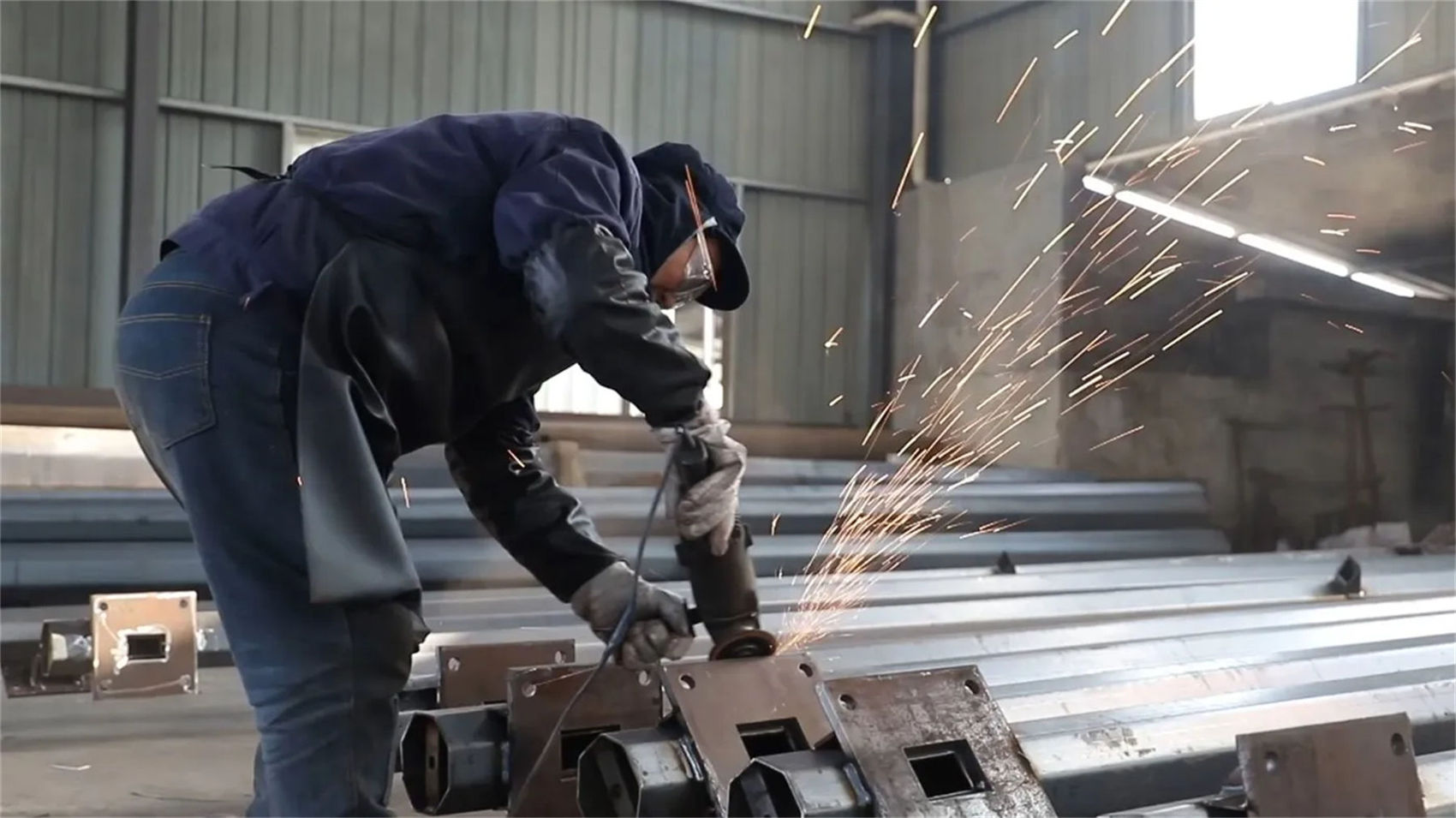
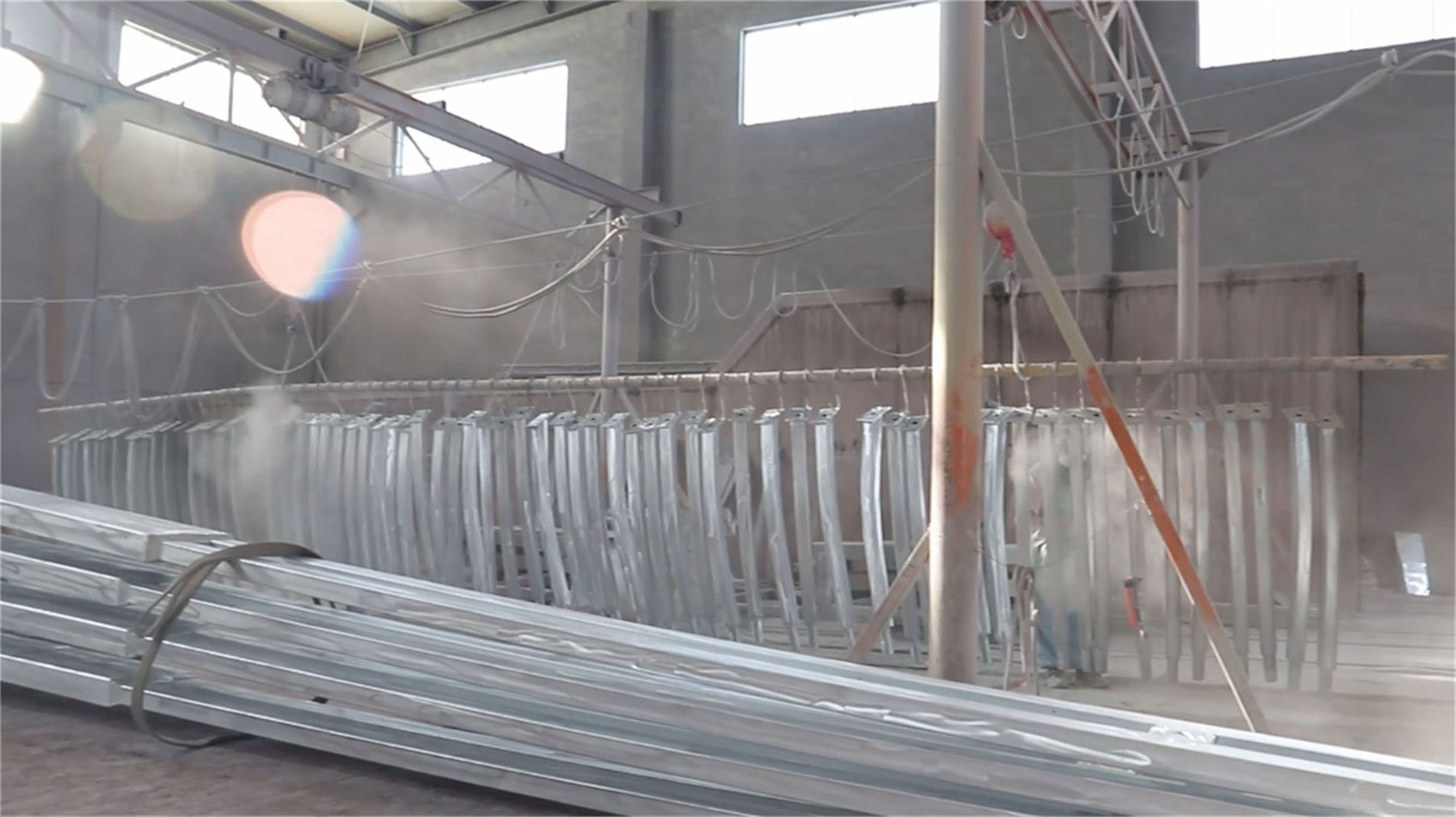
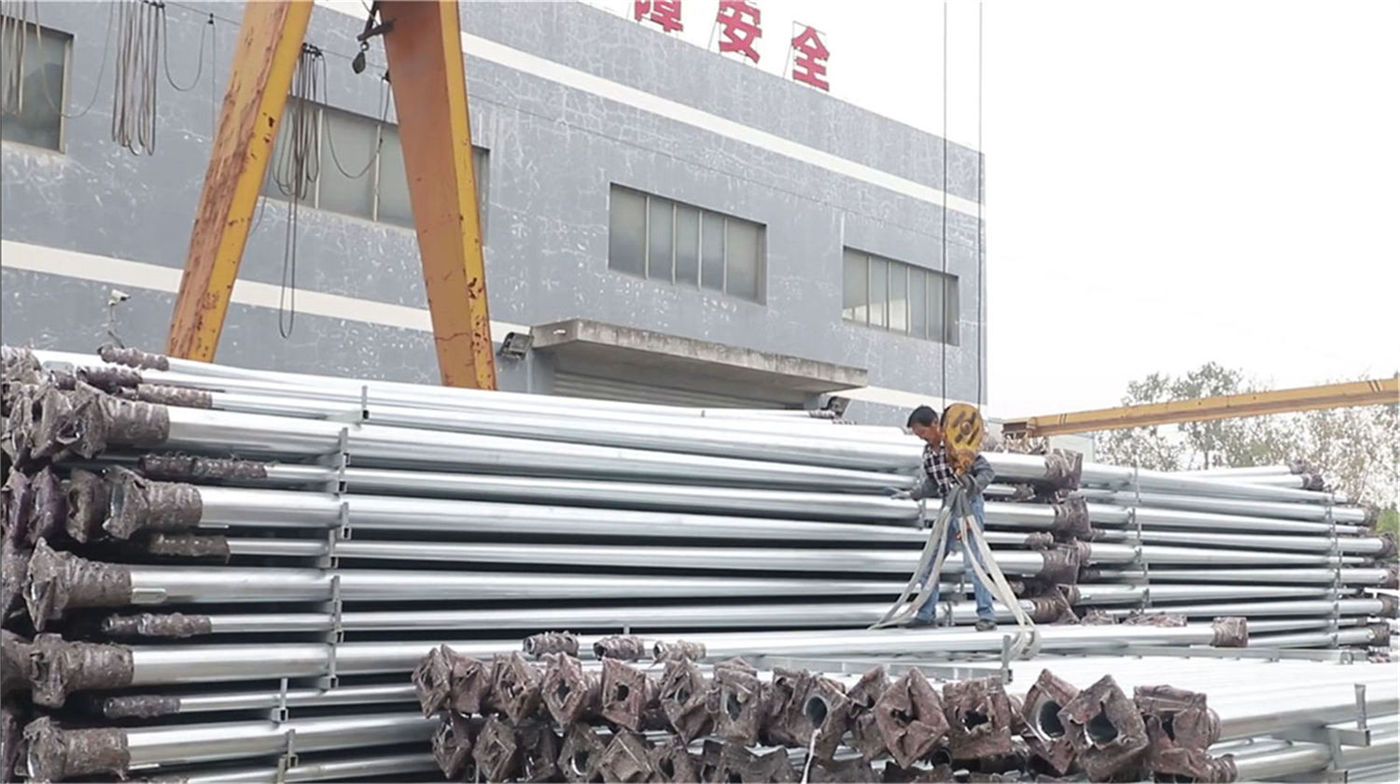
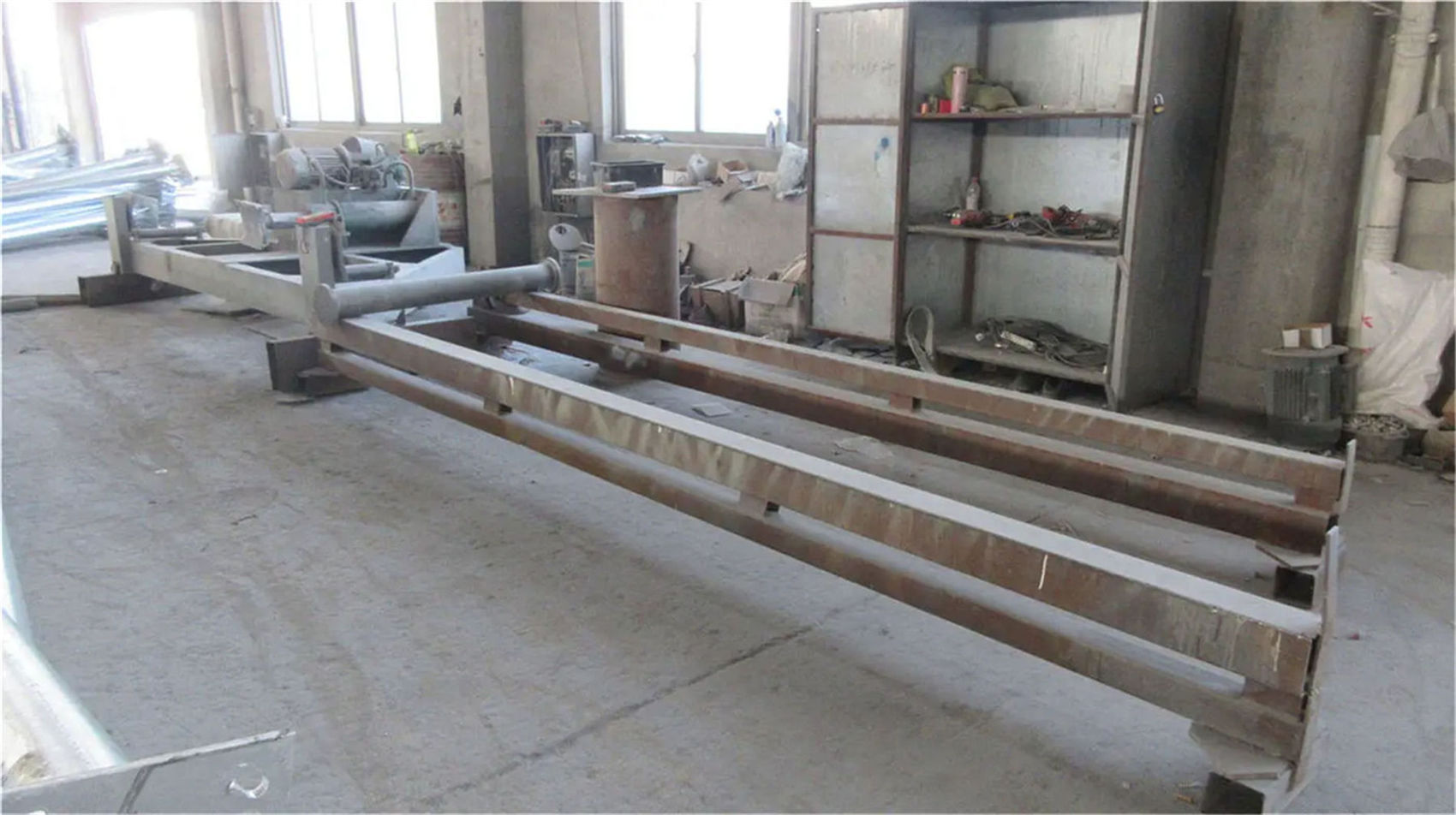
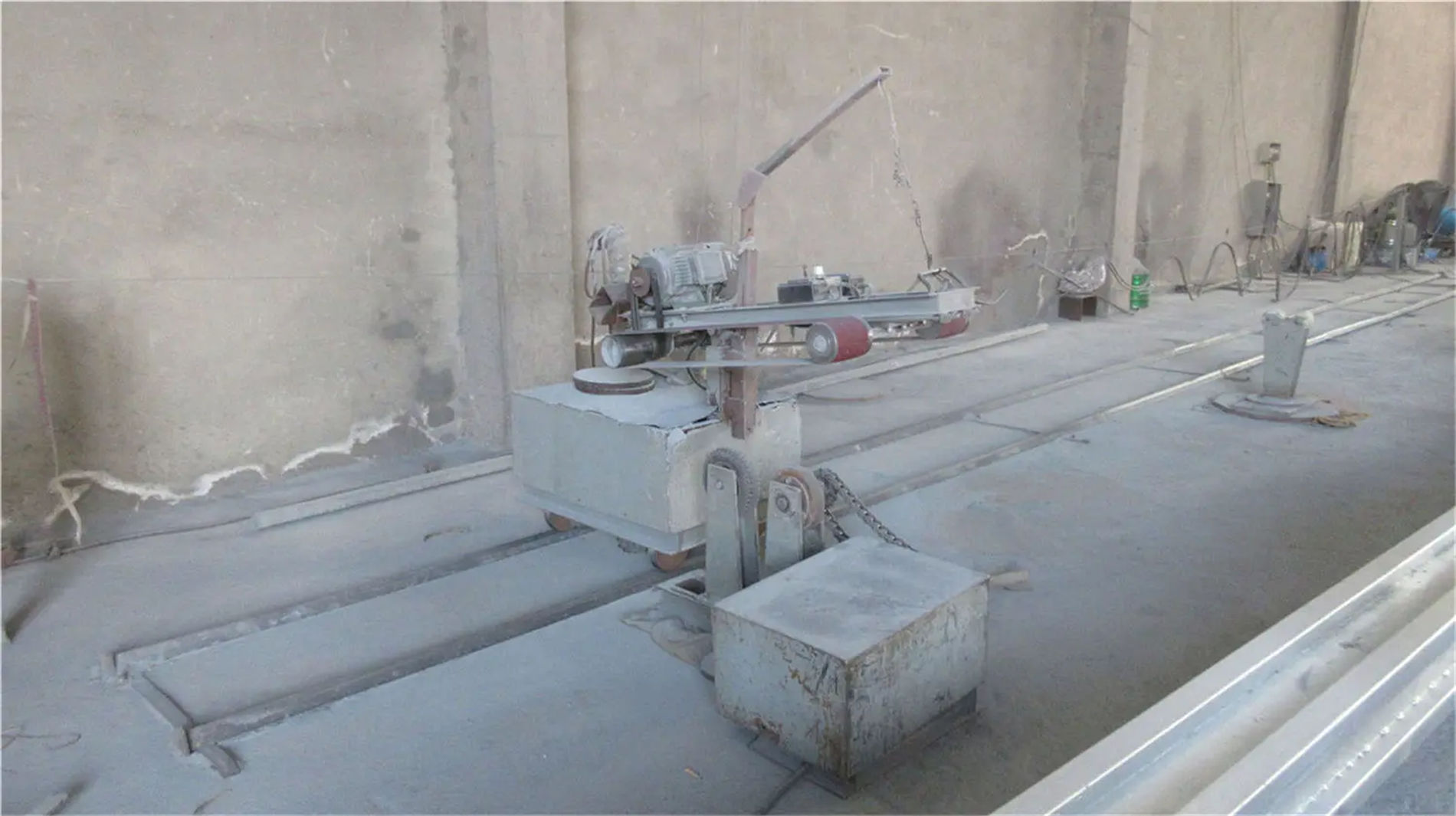
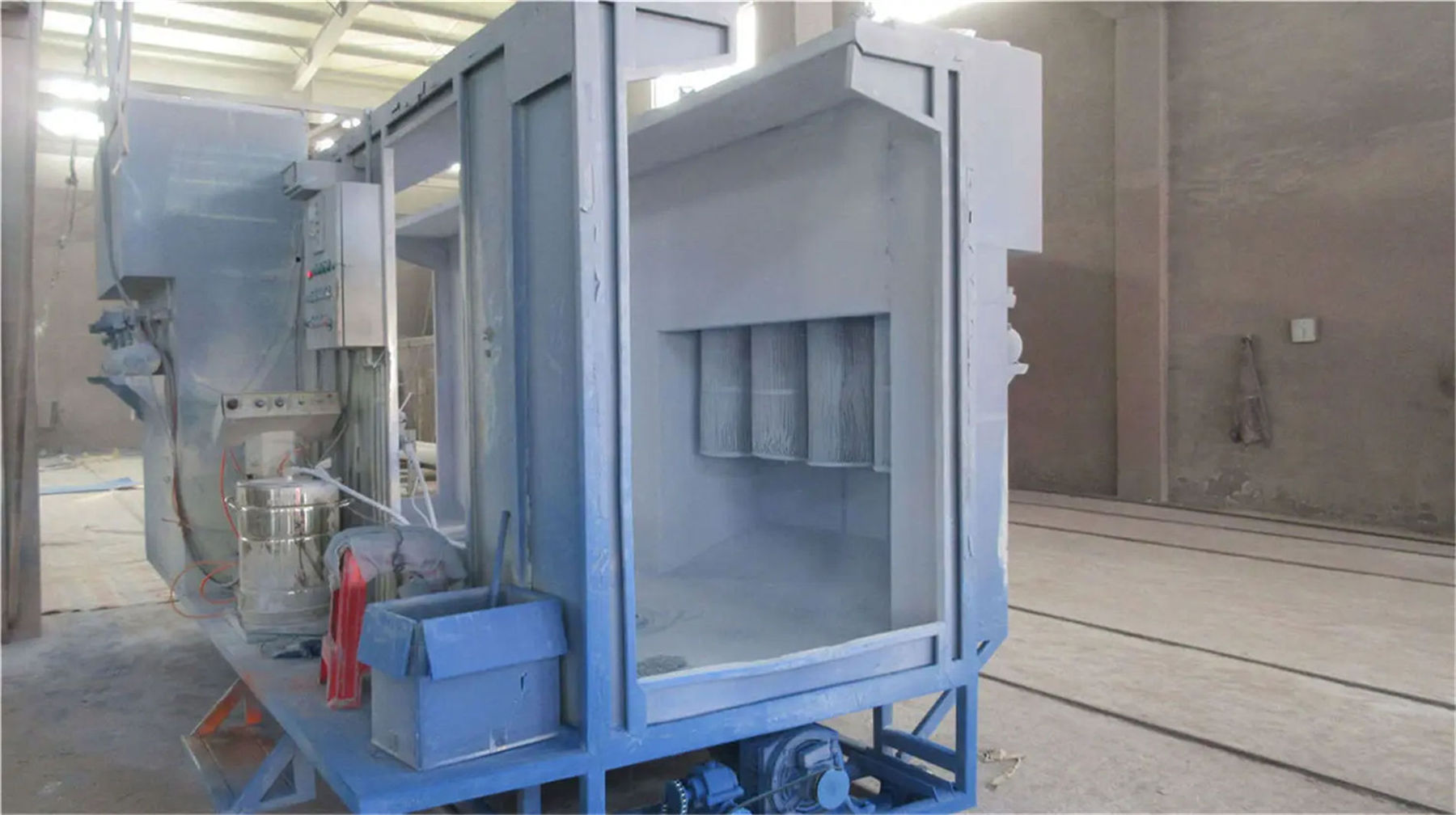
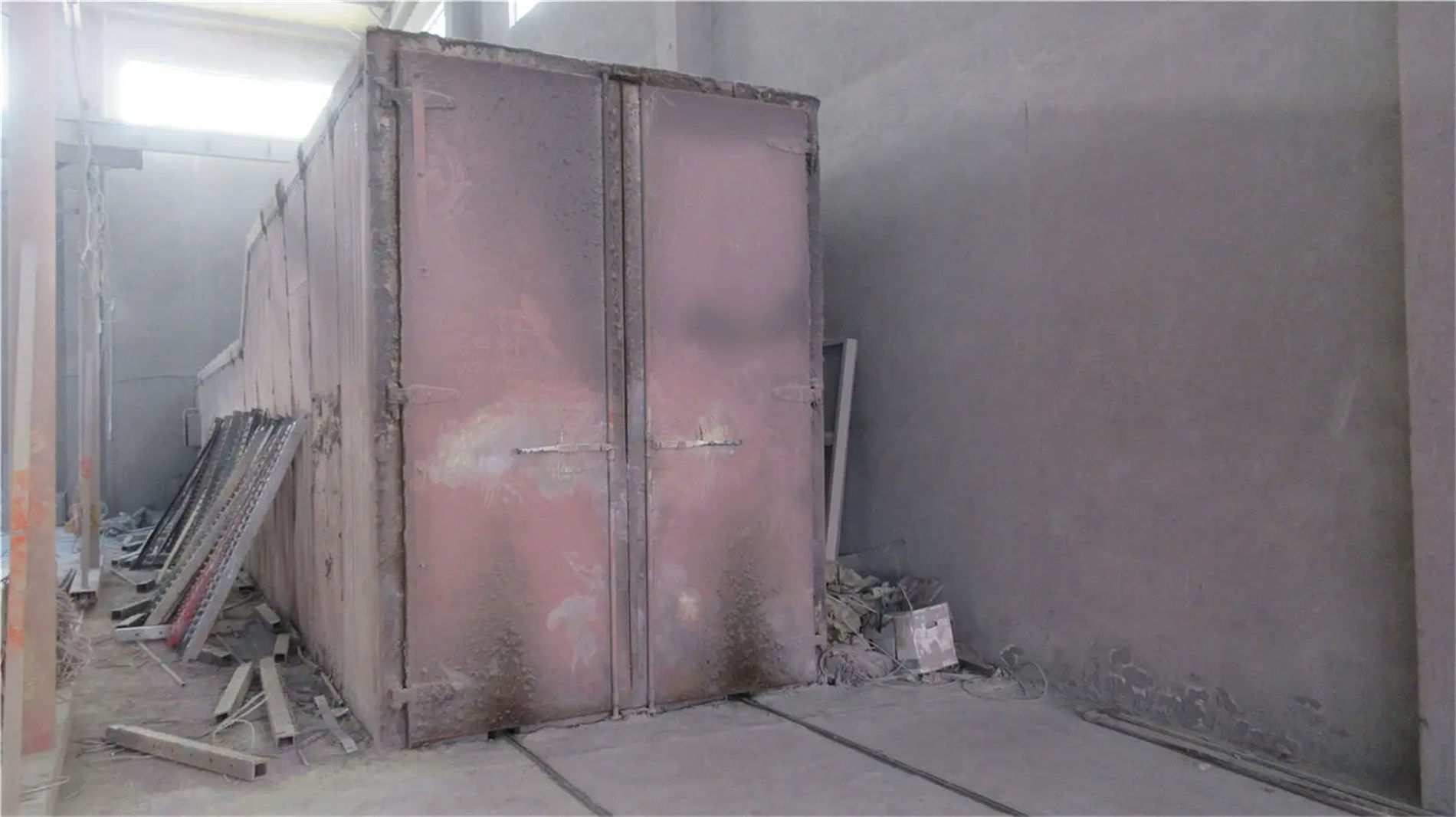
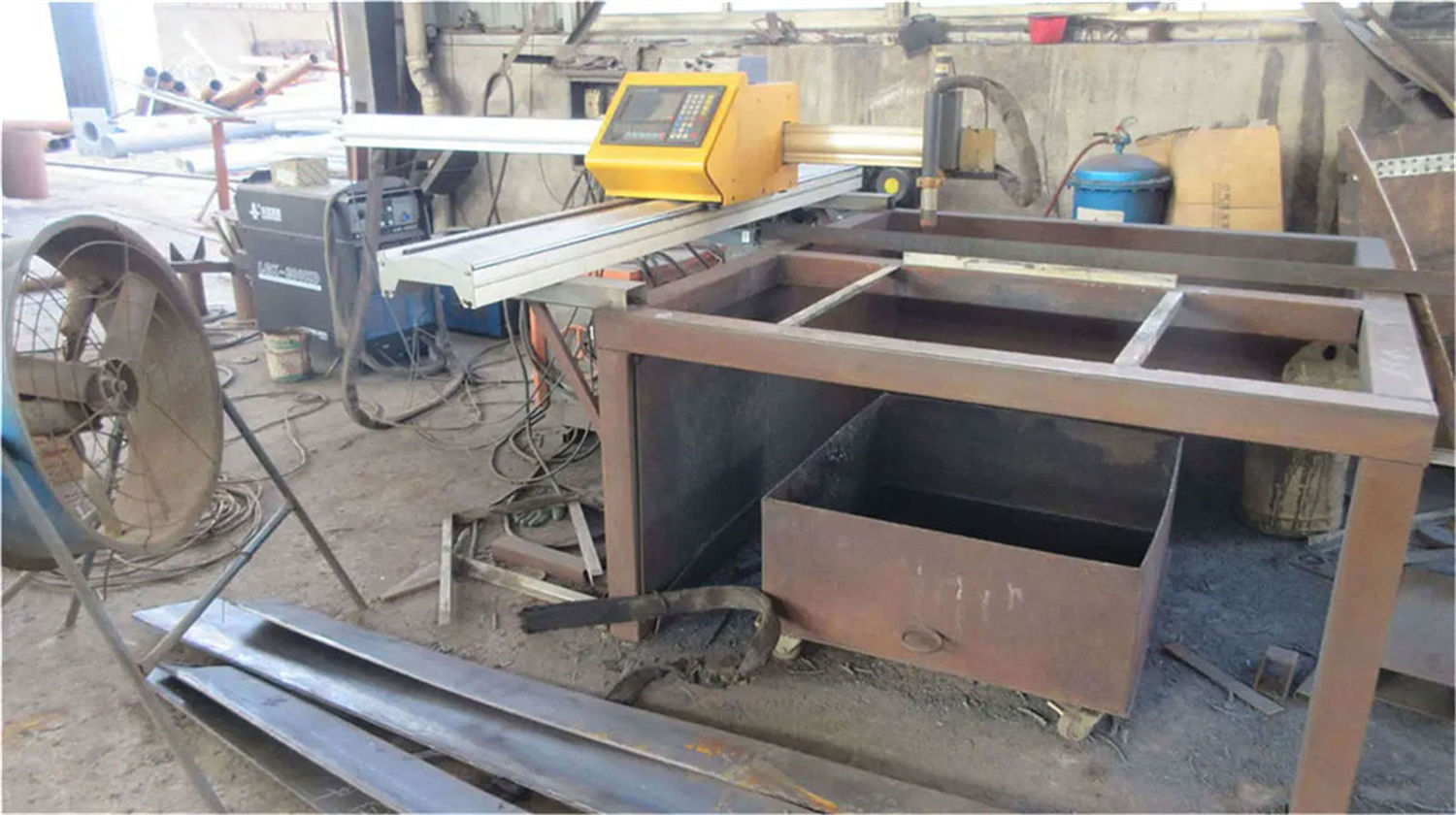
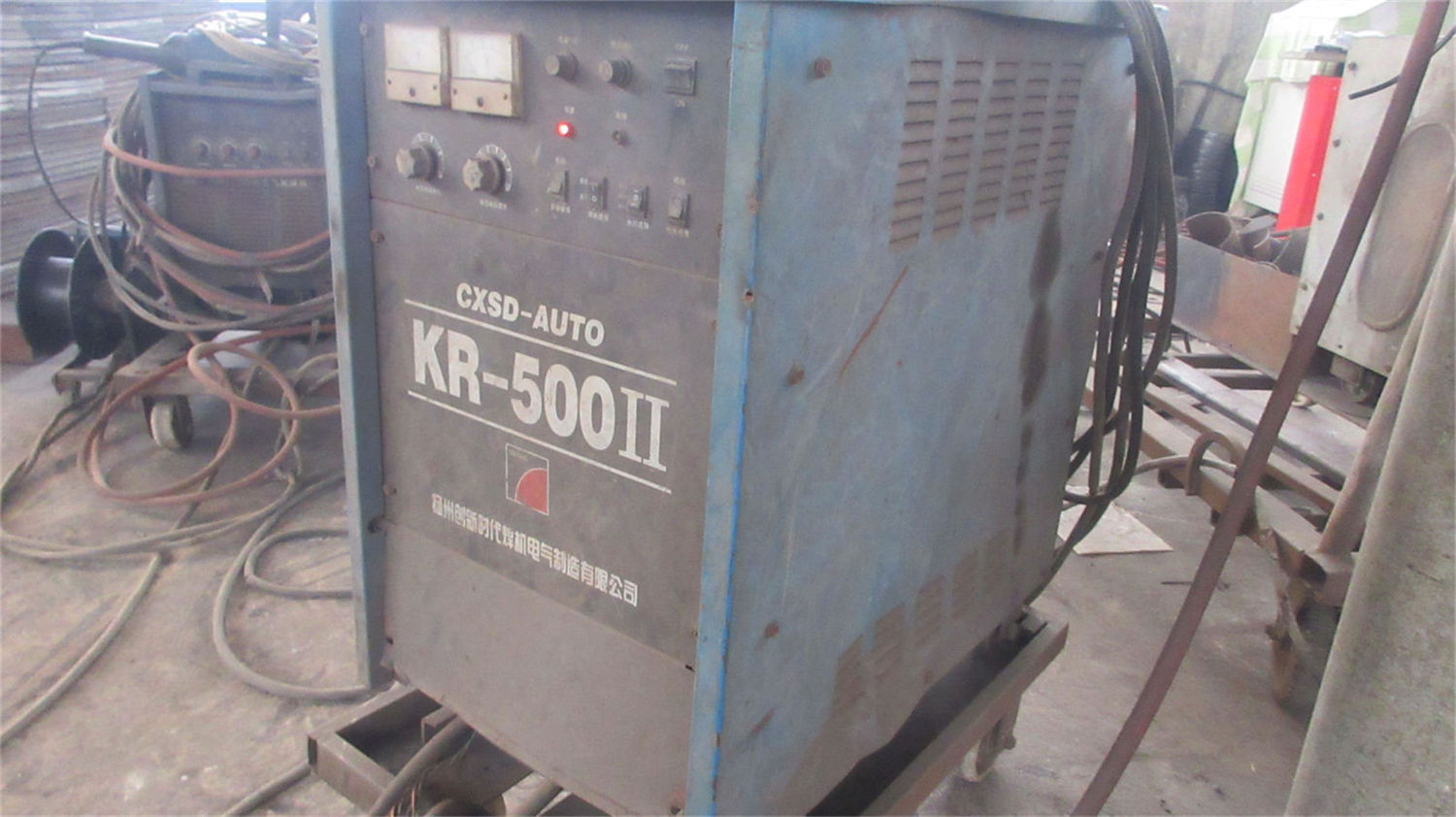
As a leading Chinese manufacturer, Yangzhou Gtron Solar Co., Ltd. operates at the intersection of production efficiency and rigorous quality control. Our state-of-the-art facility in Yangzhou, Jiangsu Province, spans automated assembly lines, cutting-edge metal processing shops, and complete environmental test laboratories.
By keeping core processes in-house—including SMT circuit board production, lithium battery pack assembly, structural metal bending, and automated welding—we minimize reliance on third-party supply chains. This vertical integration directly benefits European importers through shorter lead times, absolute traceability of components, and the flexibility to customize bracket shapes, housing finishes, and driver profiles for specific project needs in Lisbon.
Solar floodlighting systems are replacing grid-tied options across major commercial sectors in the Lisbon metropolitan area. Key applications include:
Engineered for extreme performance, longevity, and high optical output in demanding commercial environments.
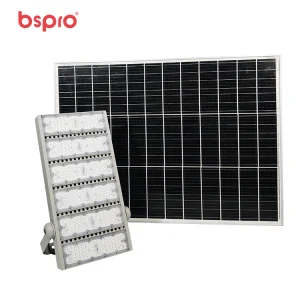
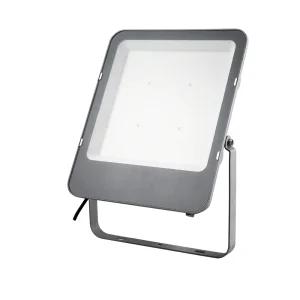
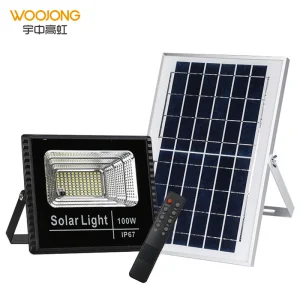
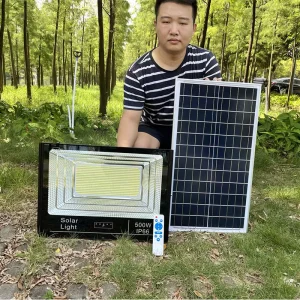
Answers to common engineering, regulatory, and logistics questions from European B2B solar buyers.
Our coastal-grade lighting fixtures feature die-cast aluminum alloys treated with multi-stage electrostatic powder coating and fluorocarbon paint spraying. This treatment provides C5-M level corrosion resistance, protecting components against salt-mist corrosion and oxidation along the Atlantic coast.
All Gtron Solar systems exported to European markets comply with CE, RoHS, and safety standards. Our production processes are managed under ISO 9001:2015 (Quality Management) and ISO 14001:2015 (Environmental Management) frameworks, easing customs clearance and ensuring alignment with local municipal tenders.
Our solar systems are engineered with dynamic smart energy saving controllers. Using adaptive PWM/MPPT algorithms and microwave motion detection, the system lowers standby power consumption during periods of low solar harvesting, providing 3 to 5 nights of uninterrupted autonomy during overcast winter conditions.
Yes. Through our integrated OEM/ODM capabilities and dedicated CNC bending and laser-cutting workshops, we design custom mounting brackets, adapters, and pole clamps. Clients can supply engineering drawings or dimensions, and we fabricate compatible mounting assemblies in-house.